

Colour is one of the most powerful tools in Feng Shui. As an expression of light, colours carry energy — and each of the five elements of Feng Shui is represented by specific colours that either bring balance and positivity, or create disharmony when used incorrectly.
The main goal of Feng Shui, like all good home design, is to introduce beauty and balance into every space. Beyond creating more visually attractive interiors, it cultivates a healthy balance of energy — yin and yang — that supports your health, relationships, and overall wellbeing.
The 5 Elements of Feng Shui and Their Colours
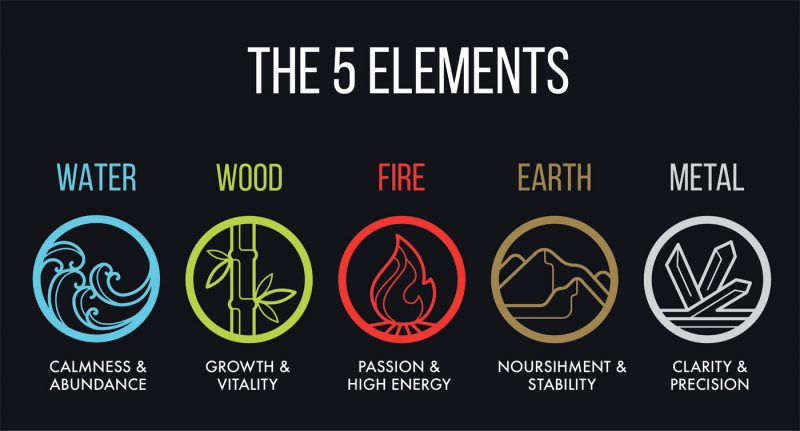
The 5 main elements of Feng Shui are fire, water, wood, metal and earth.
Fire Element: Colours & Meaning

Represents: Passion and High Energy
Colours: Red, Orange, Purple, Pink, Strong Yellow
The fire element brings positive energy to your career and supports recognition at work. A well-balanced fire element in the home encourages joy, enthusiasm, excitement, and vitality.
However, fire is an extremely strong element — too much of it can introduce arguments and emotional volatility. It is best introduced as a supporting element rather than a dominant one, through accent colours and carefully placed accents rather than full walls.
Water Element: Colours & Meaning

Represents: Calmness and Abundance
Colours: Blue, Black
Water brings a refreshing energy of calmness, purity, and clarity. It is the symbol of abundance and wealth — which is why fountains and mirrors are commonly used as Feng Shui cures. The water element also supports family harmony and positive interpersonal relationships.
Wood Element: Colours & Meaning

Represents: Growth and Vitality
Colours: Brown, Green
The wood element provides lushness and healing. Uniquely among the five elements, even an abundance of wood energy brings good chi rather than imbalance — making it one of the most forgiving elements to work with. Wood is associated with personal and financial growth, career breakthroughs, and the strengthening of long-term foundations.
Metal Element: Colours & Meaning

Represents: Clarity and Precision
Colours: Grey, White
Metal offers clarity, calm, and efficiency. A balanced presence of metal element colours in your home or office promotes clear thinking and minimises distractions — making it particularly valuable in workspaces and areas of study.
Earth Element: Colours & Meaning

Represents: Nourishment and Stability
Colours: Light Yellow, Beige, Sandy and Earthy Tones
The earth element represents stability, nourishment, and protection for your health and relationships. Incorporating earth element colours into your home helps maintain inner peace and supports the overall wellbeing of everyone who lives there.
Ideal Feng Shui Colours for Different Areas of Your Home
The simplest way to choose paint colours using Feng Shui principles is to consider your intention for each room. What energy do you want to cultivate in that space? Once you know that, choosing the corresponding element — and its associated colours — becomes straightforward.
Good Feng Shui is always about balance. Avoid painting entire rooms in strong, saturated colours as the effect can be overwhelming. Consider your personal preferences, the quality of natural light in the room, and how the chosen colours will interact with your existing furniture and furnishings.
Here’s how to apply Feng Shui colours room by room, with Nippon Paint shade suggestions for each space.
Feng Shui Colours for Living Room
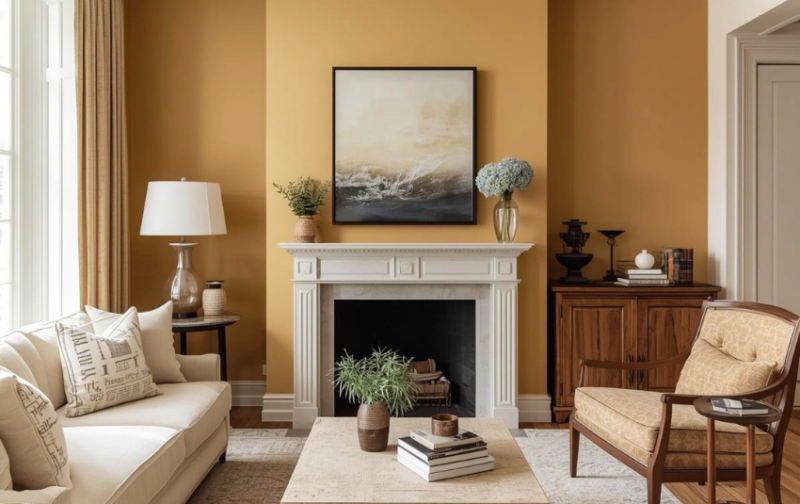
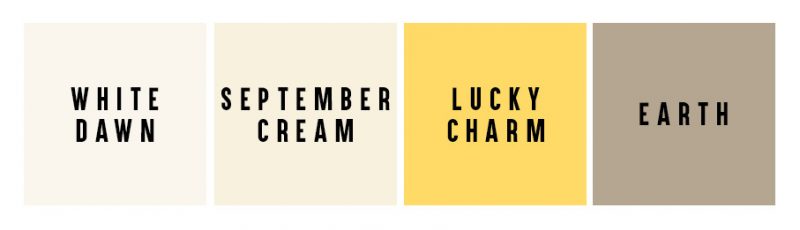
The living room is a shared family space — and the earth element’s qualities of nourishment, stable support, and caring patience are exactly what you want to cultivate here. Light, earthy colours like beige and milky white create a comfortable, soothing environment that welcomes everyone who enters.
Recommended Nippon Paint shades: Toasted Almond (NP N 3132 T) · Natural Cane (8167) · Whispering White (NP OW 1001 P)
Colours to avoid: Dark blue and black should generally be avoided in living rooms as they introduce excessive yin energy, creating imbalance — unless those colours specifically complement the directional facing of the space. Excessive use of red should also be avoided as it may contribute to emotional volatility or conflict within the household, though a small amount can be beneficial in homes that are deficient in yang energy.
Feng Shui Colours for Bedroom
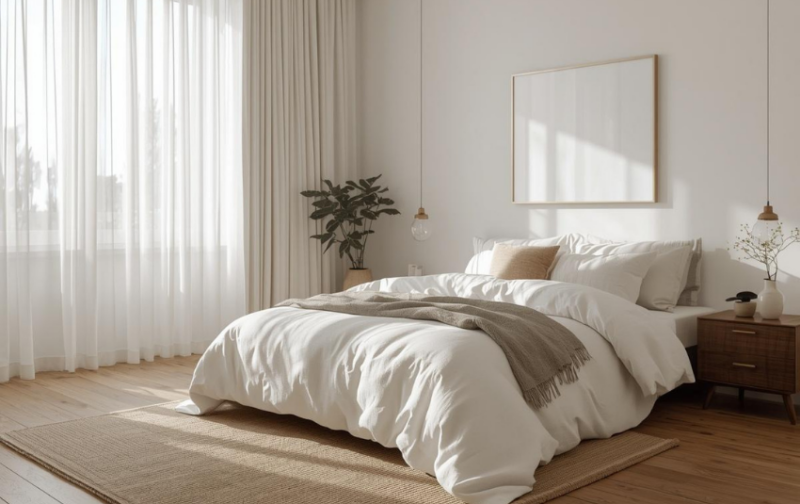
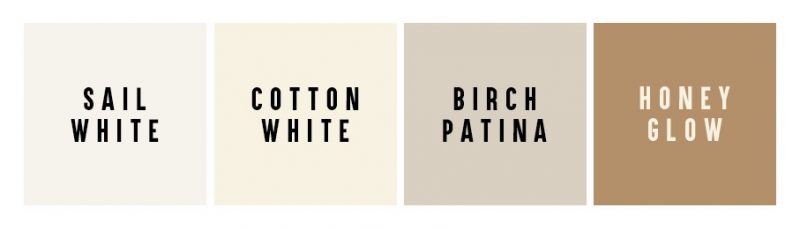
Bedrooms are spaces for rest, recovery, and rejuvenation — making metal and earth the ideal elements to work with. Metal offers clarity and calm; earth provides nourishment and stability. Both are represented by light colours — white, beige, and soft earthy shades — that naturally complement each other and support restful sleep.
Recommended Nippon Paint shades: Orchid White (1139) · Creamy Beige (NP OW 2234 P) · Autumn White (NP OW 1027 P)
Colours to avoid: Avoid colours that are too bright or too dark, as both extremes can disrupt proper rest and introduce feelings of restlessness or negativity. Married couples should also be mindful of excessive pink — while pink is a loving colour, overuse in the bedroom can create an imbalance of illusory energy that may invite unwanted complications in the relationship.
Feng Shui Colours for Kitchen
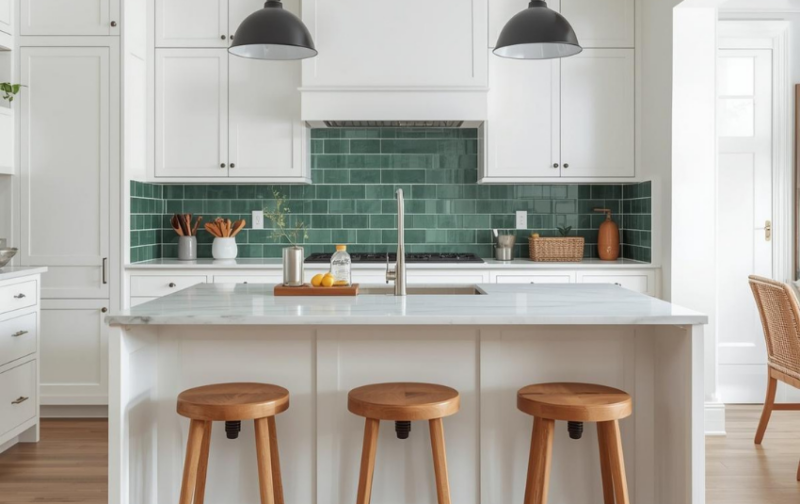

Wood is the ideal element for the kitchen, as it supports health, family harmony, and nourishing energy. Browns and greens work excellently here, bringing a grounded, life-affirming quality to one of the most important functional spaces in your home.
Recommended Nippon Paint shades: Ripe Kiwi (NP BGG 2598 A) · Elves Green (NP BGG 1608 P) · Natural Touch (NP BGG 1716 D)
Colours to avoid: Limit the presence of fire element colours (red, orange, strong yellow) in the kitchen. While fire is already a natural feature of the cooking space, adding more fire element energy through colour can disrupt the balance — since fire destroys wood in the cycle of five elements.
Feng Shui Colours for Office / Study Area
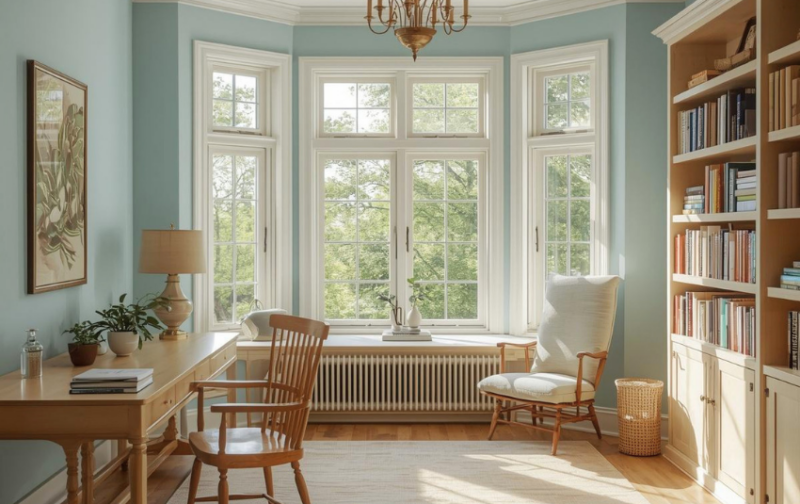
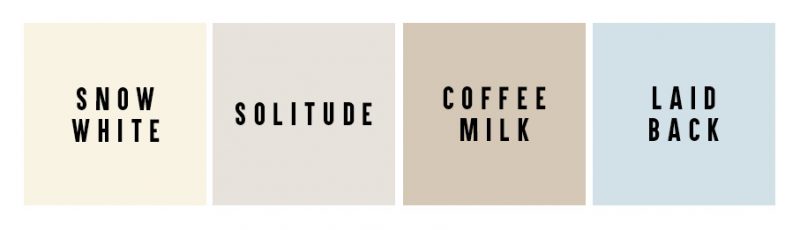
The water element is recommended for home offices and study rooms. Water nourishes wood and is itself nurtured by metal — together, blue and white create a combination that symbolises clarity, focus, and an abundance of productive energy. If dark-coloured rooms feel distracting to you, opt for lighter shades of blue paired with white for the same effect with a softer touch.
Recommended Nippon Paint shades: Misty Morning (NP PB 2877 P) · Bustling Blue (NP PB 2847 T) · Sail White (1199)
Colours to avoid: Avoid excessive use of strong fire element colours (red, orange, purple, strong yellow) in study spaces. Their high-energy quality can distract the mind and disrupt focused thinking.
Feng Shui Colours for Children’s Room
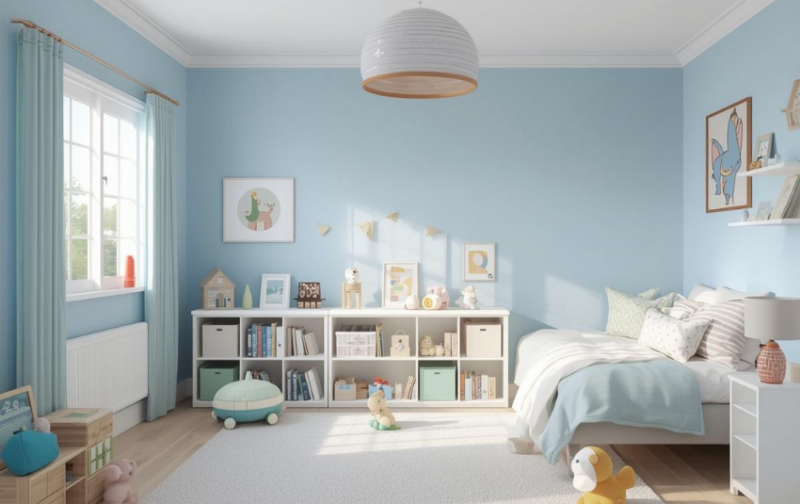
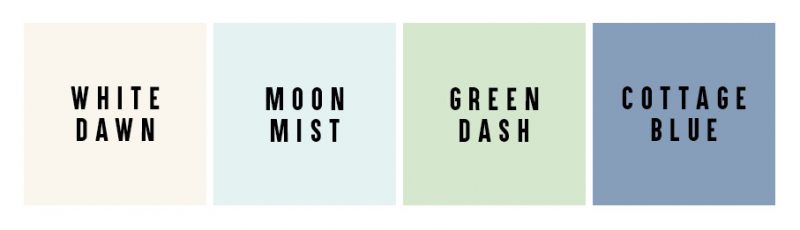
For children’s spaces, subtler shades of soft blue or green — from the water or wood elements — are most appropriate. These colours support healthy development, encourage growth, and create the serene, nurturing environment that children need to thrive.
Recommended Nippon Paint shades: Elves Green (NP BGG 1608 P) · Young Lime (NP BGG 2570 P) · Misty Morning (NP PB 2877 P)
Colours to avoid: Be mindful of what elements you introduce into a child’s room, as colour can meaningfully influence mental and character development. Avoid dark or strong colours such as red, deep purple, or black — their aggressive energy is too intense for young, developing minds.
Feng Shui Colours for Bathroom
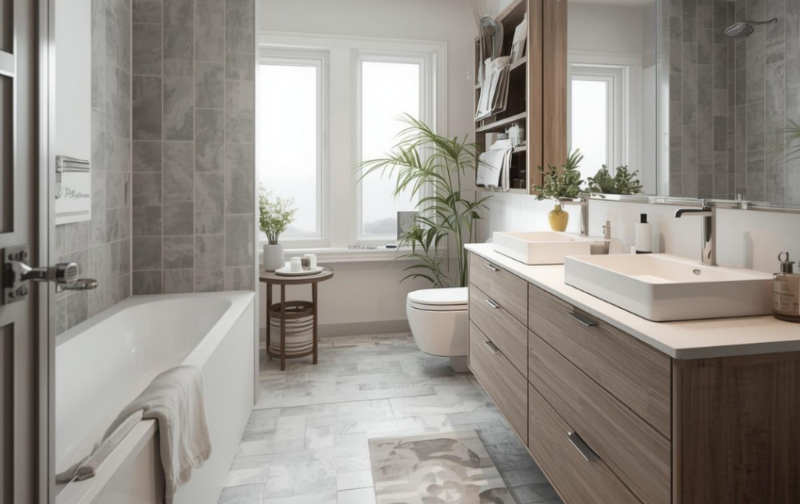
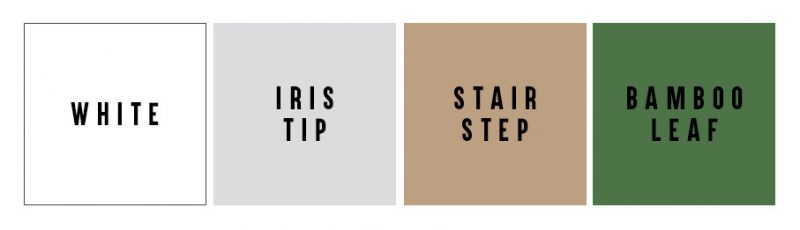
Bathrooms often get a negative reputation in Feng Shui due to their association with the draining of energy. However, they are also where we cleanse and rejuvenate — and with the right colours, they can feel like a restorative retreat.
Metal and wood element colours — white and light brown — promote clarity and revitalise the body, creating a spa-like atmosphere that transforms the bathroom experience. These lighter tones also have the practical benefit of brightening small spaces and making cleaning easier.
Recommended Nippon Paint shades: Snow Flakes (1164) · Lilac White (1138) · Natural Touch (NP BGG 1716 D)
Tip: Reinforce the wood element by placing a small potted plant in your bathroom — it actively counterbalances the strong water energy of the space.
Colours to avoid: Due to the strong natural presence of water in the bathroom, be careful about adding more water element colours like deep blue or black. An excess of water energy can be detrimental to emotional stability and decision-making over time.
Nippon Paint Colour Visualiser: Preview Your Feng Shui Colours Before You Paint
Before committing to any colour, it’s worth seeing how it will actually look in your space. The Nippon Paint Colour Visualiser app makes this easy — and it’s free to download.
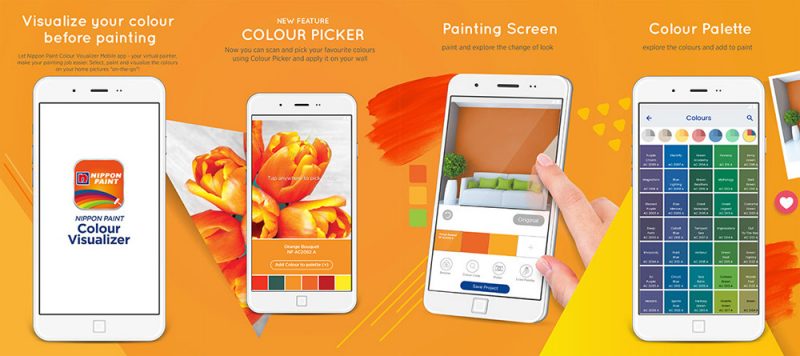
Simply take a photo or upload an existing image of your room, then select from over 1,000 Nippon Paint colours to preview them virtually on your walls. The app intelligently paints around furniture and preserves shadows for a realistic impression of the final result.
Additional features include:
- Instant colour scheme recommendations suited to your room
- Side-by-side comparison of multiple colour options
- A colour picker tool to find the closest Nippon Paint match to any object or image
- Store locator to find your nearest authorised dealer
- Sumo, the app’s built-in AI assistant, who can guide you through colour decisions and paint-related queries
Available free on the App Store (iOS) and Google Play (Android).
Other Ways to Implement Feng Shui at Home
Choosing colours based on your intentions for each room is the most accessible entry point into Feng Shui. But there are other well-established approaches worth exploring.
Bagua (Energy Map)
A bagua is a grid overlaid on the floor plan of your home to identify specific Feng Shui areas that need attention or enhancement. There are two main schools of bagua application — the Traditional Bagua and the Black Sect Tantric Buddhist (BTB) Western Bagua. It’s important to choose one system and apply it consistently, as combining both creates confusion rather than clarity.
Traditional Bagua
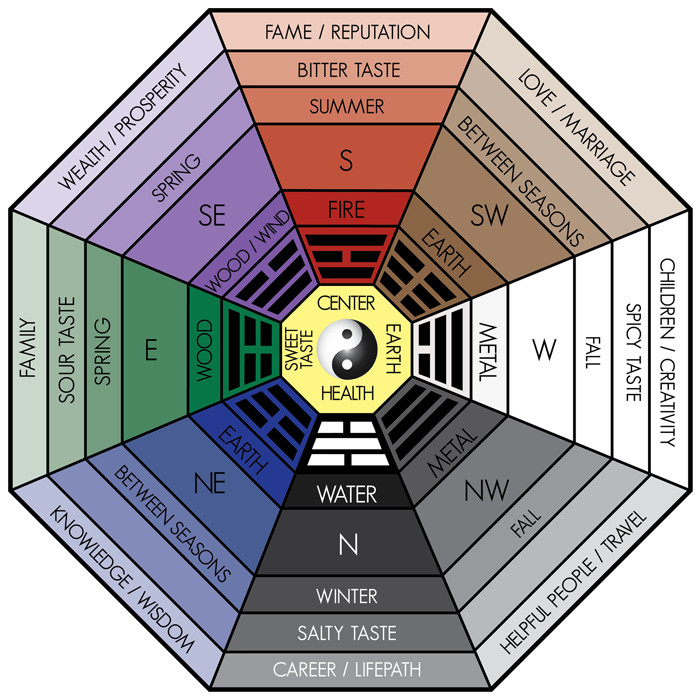
Credit: Traditional Bagua
Black Sect Tantric Buddhist School (BTB) / Western Bagua
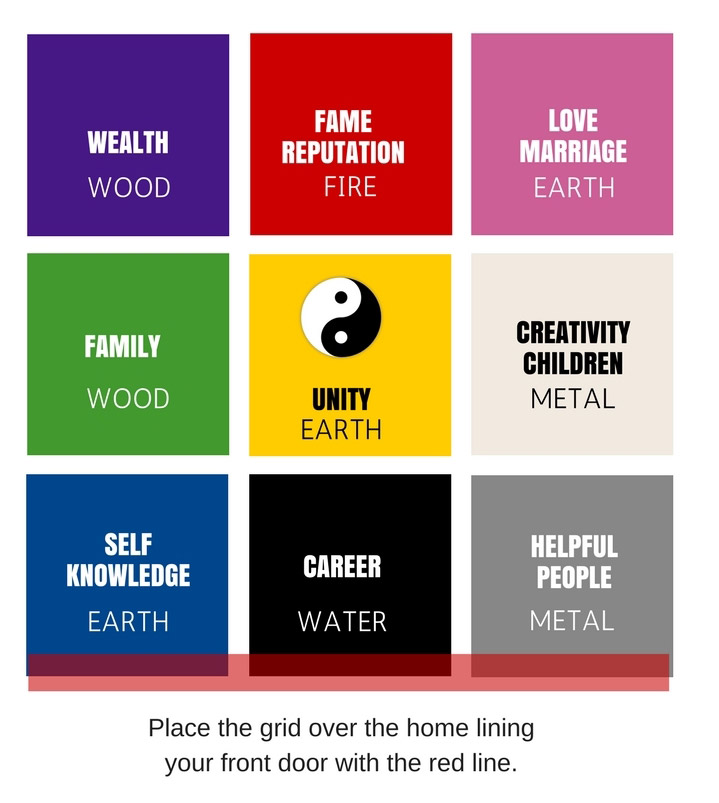
Credit: BTB Bagua
Feng Shui Birth Element
This approach uses your birth date to determine your personal Feng Shui element and the influences that shape your life. It often involves a reading of your Ba Zi (Eight Characters) to identify your strong and weak elements, allowing you to make design decisions that complement your personal energy.
This information allows you to surround yourself with better Feng Shui decisions.You can also check out our guide to your lucky colour for 2026, advised by Feng Shui Grand Masters from Way Fengshui Group.
Using Feng Shui as a Guide
While the five elements offer a valuable framework for colour selection, Feng Shui should ultimately serve as a guide rather than a rigid rulebook. The most important consideration is that you feel comfortable, happy, and at ease in your space.
Being genuinely passionate about your home — in a space that reflects your personality and values — is itself the most powerful source of positive energy.
Explore the full Nippon Paint colour range and download the Colour Visualiser app at nipponpaint.com.sg.
5 Tips when Picking Paint Colours for Your Home