
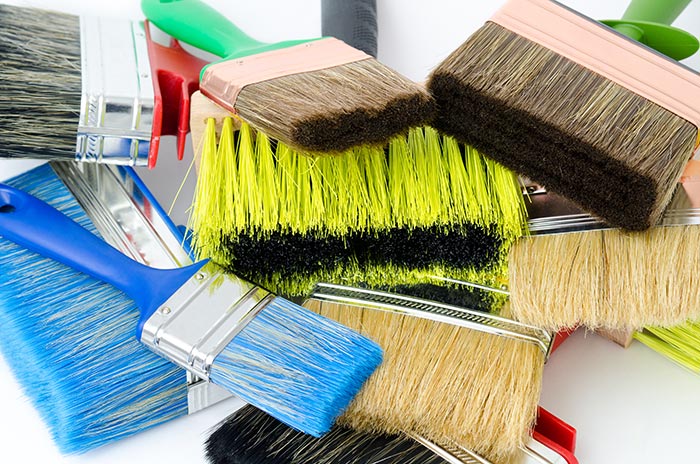
A common mistake that people often make when buying painting tools is picking the wrong brush. The wrong painting tool can make painting your home a tedious and tiring process. However, shopping for the right painting tool may be easier said than done. When you’re surrounded by brushes of different sizes, materials, shapes, brands and prices, it’s no wonder that you’d be clueless when finding the right brush for your painting needs! Here are some features that you need to pay attention to when shopping for the right tool.
Source: withGod/https://image.shutterstock.com/z/stock-photo-many-new-wide-paint-brushes-over-white-106610666.jpg
Brush Type
In general, paint brushes fall into three main categories based on bristle material: natural, synthetic, and blended. Choosing the right type helps ensure smoother application and a better overall finish.
Natural Bristle Brushes
Natural bristles are made from animal hair and are traditionally used for oil-based paints. These bristles have naturally split ends, allowing them to hold more paint and deliver a smoother, more even finish—especially on detailed surfaces.
Synthetic Bristle Brushes
Synthetic bristles are typically made from materials such as polyester or nylon. These brushes are best suited for water-based (latex) paints, as they retain their shape and stiffness better when exposed to water. They are also easier to clean and more cost-effective, making them a popular everyday choice.
Blended Bristle Brushes
Blended brushes combine both natural and synthetic materials, usually nylon and polyester. This combination offers durability, good shape retention, and flexibility, making them suitable for most paint types and surfaces, particularly latex paints.
Choosing the Right Brush Size
While choosing a brush size may seem straightforward, selecting the right one requires some consideration. Beyond the size of the surface, you should also think about the level of detail involved. Bigger isn’t always better—using a brush that’s slightly smaller than the surface allows for better control and a more even coat, especially around edges and trims.
Here’s a general guide:
-
1–2 inch: Windows, narrow trims, and detailed areas
-
3 inch: Doors, cabinets, and shelves
-
4 inch: Large, smooth surfaces such as walls
Bristle Shape
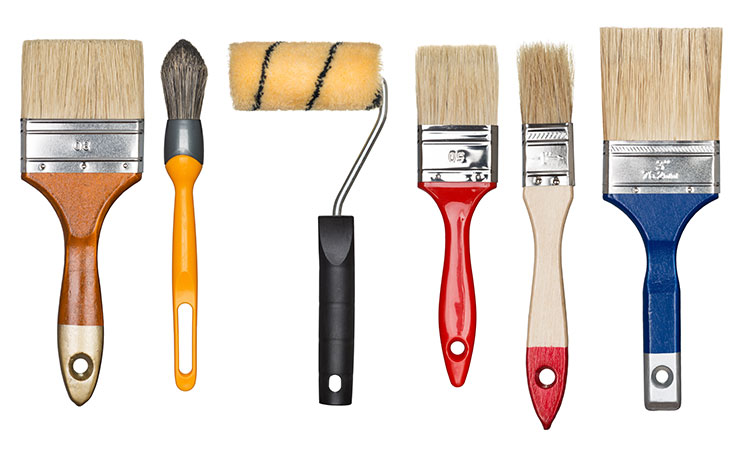
Different bristle shapes make for different painting results. For a flat, smooth surface, a square trim brush will work best as its straight cut will help to paint your surface evenly. When painting the edges of walls and windows, an angled brush will come in handy. If you need to paint a smaller area, a chisel trim brush is your best bet. It comes with a flat, narrow head, hence its name. This shape helps to make a straight line on the edges and corners of the walls.
Source: donatas1205/https://image.shutterstock.com/z/stock-photo-painting-tools-paint-brushes-and-roller-1017768898.jpg
Considering the bristle material, brush size and bristle shape is essential in picking the right paint brush for your next DIY project. Nevertheless, you need to have an idea of the type of paint and surface you will be using even before selecting the brush. Do not use one brush for multiple types of paint and facades.
The quality of your brush also determines the result of your paint job. If you want your brushes to last longer, invest in several brushes of high quality.
Nippon Paint Singapore Brush Range
Currently, we offer the following brush types:
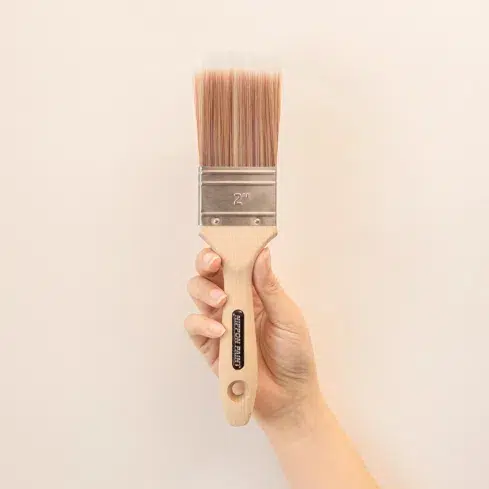
1) Professional Series Velvet Pro Premium Brush
Designed for premium finishes with Ultra Smooth Tip Technology.
Material / Features:
- SP-Bristle: strong yet springy
- Natural split ends for higher paint holding capacity
- Suitable for all paint types and surfaces
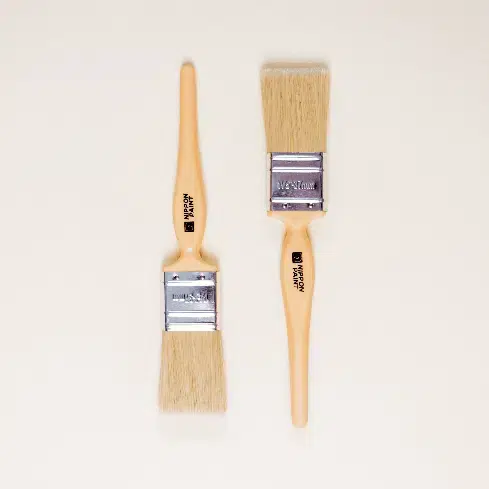
2) Total Brush 118
Material / Features:
- SP-Bristle: strong yet springy
- Natural split ends to improve paint pickup
- Suitable for all paint types, surfaces, and economical use
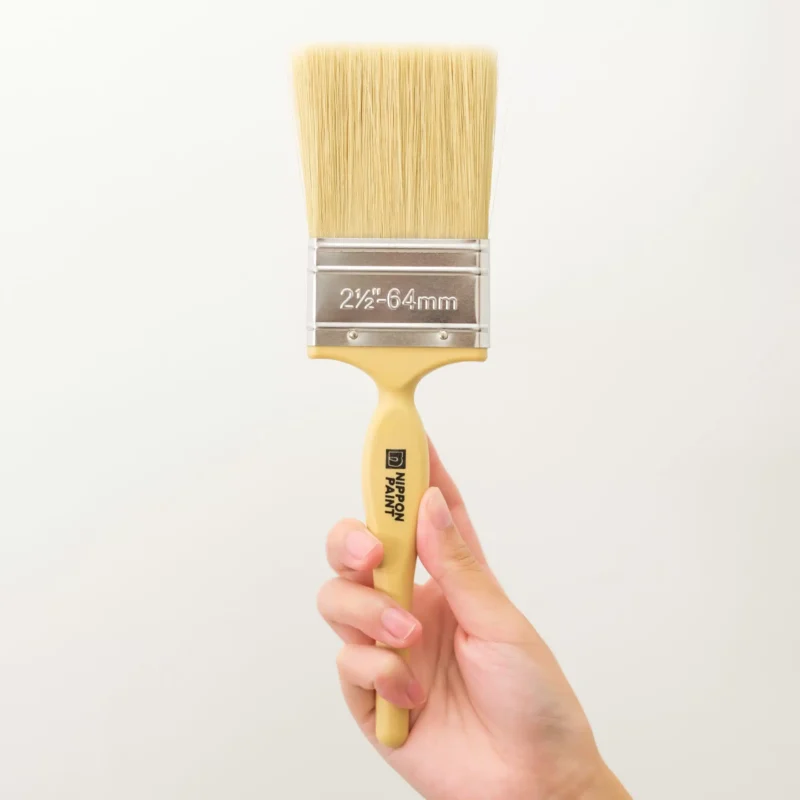
3) Synthetic Paint Brush
Made entirely from synthetic materials.
Material / Features:
- Best suited for water-based paints
- Cost-effective and easy to maintain
- Suitable for Muslim customers
Now that you are ready to purchase painting brushes, what other painting tools do you need? Make sure have all of them prepared before starting your paint job.
Why Choose Low VOC Paint | Nippon Paint Singapore