

Source: Shutterstock
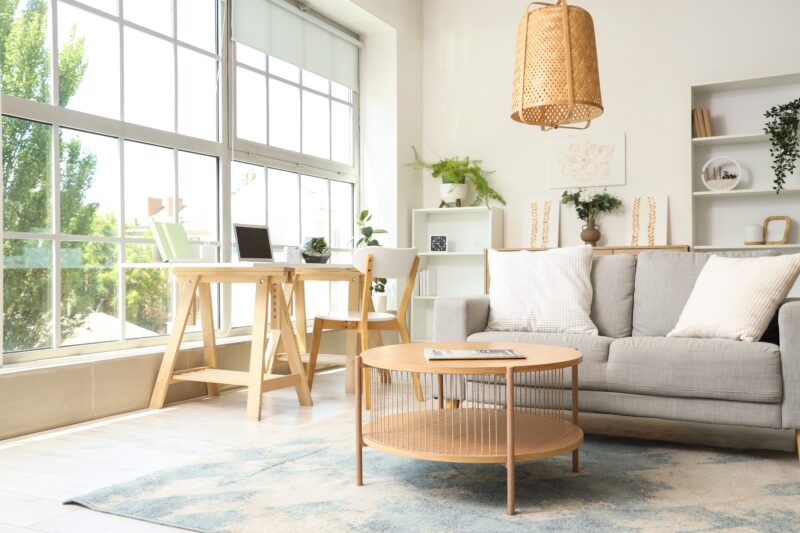
Waking up to greenery every morning isn’t just a visual pleasure — it has measurable benefits for your mental and physical well-being. Research consistently shows that being surrounded by plants reduces stress, improves air quality, and enhances focus and mood. In Singapore’s dense urban environment, where green space outside the home is limited, bringing nature indoors has become one of the most meaningful things you can do for your quality of life.
Biophilic design — the intentional incorporation of natural elements into built environments — has transitioned from a luxury trend to a mainstream necessity in 2026. The good news for Singapore homeowners is that you don’t need a bungalow or a sprawling yard to enjoy an indoor garden. With a little creativity and the right approach, even the most compact HDB flat can become a genuinely lush, nature-connected space.
Here are five practical ways to create your own indoor garden at home.
1. Paint Your Backdrop with Nature-Inspired Colours
Before you introduce a single plant, think about the wall behind it. The colour of your walls profoundly shapes how your indoor garden feels — and the right paint colour can amplify the sense of nature, calm, and freshness that your plants create.
Colours associated with nature — greens, soft blues, warm earthy neutrals, and sandy beiges — create the most harmonious backdrop for an indoor garden. They extend the visual language of your plants into the surrounding space, making the whole area feel cohesive and intentional.
For contrast and depth, consider painting one wall in a deeper botanical green and leaving the surrounding walls in a lighter, complementary tone. This creates a layered, gallery-like effect where your plants feel genuinely embedded in the design of the room rather than sitting in front of it.
Recommended Nippon Paint shades for an indoor garden backdrop:
- Elves Green (NP BGG 1608 P) — a soft, muted green that evokes fresh foliage
- Bamboo Tile (NP BGG 2641 D) — a deeper, richer botanical green for a feature wall
- Saxony Blue (NP BGG 1582 A) — a calming blue-green that complements plants beautifully
- Natural Cane (8167) — a warm sandy neutral that echoes earthy terracotta pots
Use the Nippon Paint Colour Visualiser app to preview how any of these colours will look alongside your plants before painting.
Frequently asked: What wall colour is best for an indoor plant display? Soft greens, blue-greens, and warm earthy neutrals are the most harmonious backdrop colours for indoor plants. They extend the natural palette of the plants into the surrounding space and create a cohesive, calming atmosphere.
Source: Shutterstock
2. Go Vertical
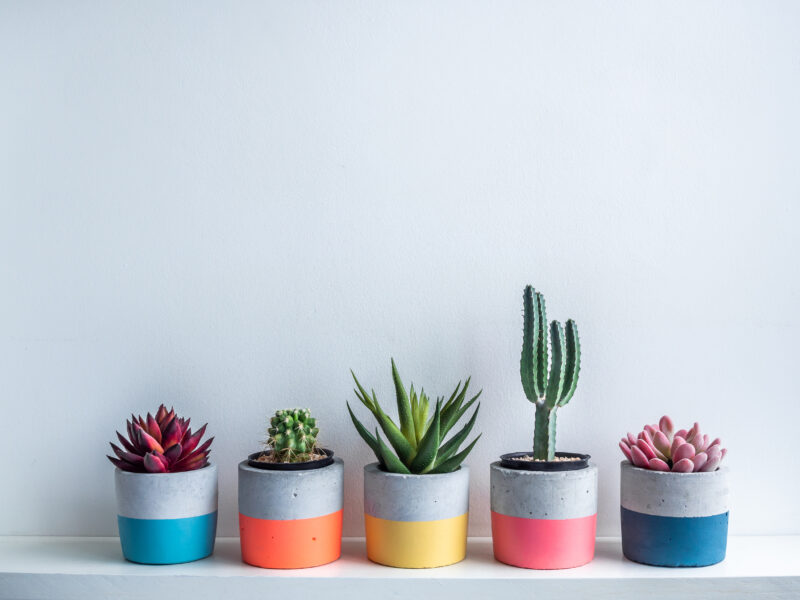
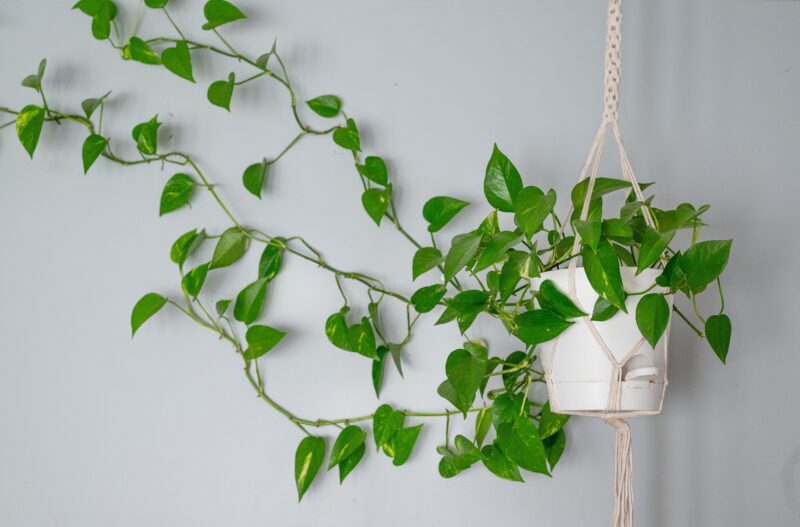
Space constraints in HDB flats are spurring creative approaches to indoor gardening. Vertical growing systems, hanging planters, and living wall installations allow residents to cultivate plants without sacrificing floor space. These features improve air quality while creating striking visual focal points.
A vertical garden — whether a simple arrangement of wall-mounted shelves, a modular pocket planter system, or a fully installed living wall — is one of the most dramatic and space-efficient ways to bring greenery into a Singapore home.
How to create a vertical indoor garden:
- Wall-mounted shelves: Install floating shelves at staggered heights and fill with a mix of trailing and upright plants. Pothos, devil’s ivy, and string of pearls are ideal for this — their trailing growth adds movement and depth.
- Pocket planters: Fabric or plastic pocket planter systems can be mounted on almost any wall and are ideal for herbs like basil, mint, and chives.
- Modular living wall systems: Available from garden centres and online retailers, these systems allow you to build a full green wall panel using individual plant modules. They require more investment but create a genuinely spectacular result.
Pair your vertical garden with a bold, deep green wall colour to blur the line between wall and garden — making the plants feel like they’re emerging from the space itself.
Frequently asked: How do I create a vertical garden in a small HDB flat? Start with wall-mounted shelves or a fabric pocket planter system — both are affordable, renter-friendly, and easy to install. Choose plants suited to your wall’s light conditions: pothos and peace lilies for lower light, succulents and herbs for bright spots.
Source: Shutterstock
3. Create a Dedicated Plant Corner
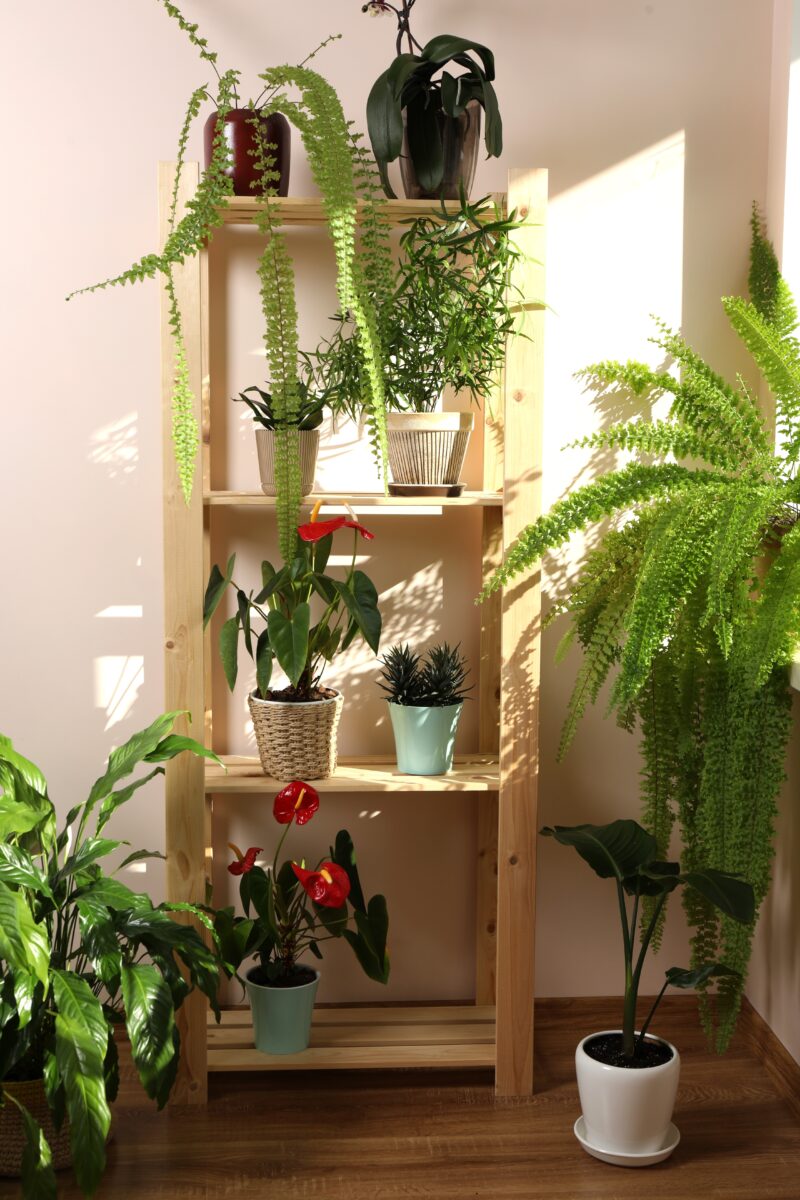
A dedicated plant corner is one of the easiest and most rewarding indoor garden approaches for compact homes. By concentrating your plants in one well-considered area, you create a genuine sense of a garden within the room — rather than scattered individual pots that don’t quite cohere.
Choose a corner with good natural light (ideally near a window) and build up from there. Mix plants of different heights, textures, and leaf shapes — a tall snake plant or fiddle leaf fig as the anchor, medium-height ferns or peace lilies in the middle tier, and trailing pothos or string of hearts at the front or on a low shelf.
Add depth and visual interest through the containers themselves: terracotta pots, woven rattan baskets, painted ceramic planters, and wooden stands in different heights create a layered, curated look. Colourful pots painted in complementary colours to your wall add a further personal touch.
A contrasting painted wall behind the corner — perhaps a deep botanical green or a warm terracotta — transforms the whole arrangement into a genuine design feature rather than just a plant collection.
Recommended plants for a Singapore indoor plant corner:
- Low to medium light: Pothos, snake plant, ZZ plant, peace lily
- Bright light: Monstera, rubber plant, fiddle leaf fig, croton
- Herbs (kitchen corners): Basil, mint, chilli, pandan
Fequently asked: What are the best low-maintenance indoor plants for Singapore? Low-maintenance plants suited to Singapore’s humid climate include ZZ plants, snake plants, pothos, ferns, and money plants — all of which tolerate the humidity well and require minimal watering. For bright spots, monstera and rubber plants are equally hardy and dramatic.
Source: Shutterstock
4. Build a Balcony or Windowsill Garden
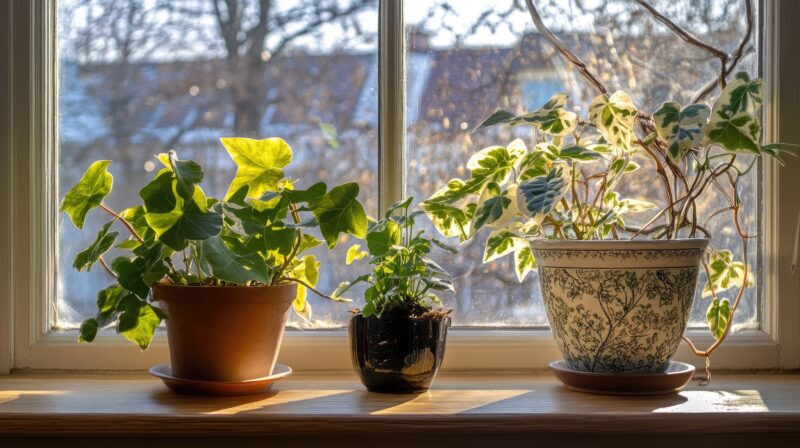
Singapore’s year-round tropical climate is one of the most plant-friendly environments on the planet — and your balcony or windowsill is one of the easiest places to take full advantage of it. Even a narrow HDB balcony can become a genuine outdoor garden with the right approach.
For balconies: Railing planters that hook over the balcony edge are a great space-efficient option for trailing and flowering plants. Freestanding pot arrangements with plants of varying heights create a layered, abundant feel. Climbing plants like morning glory or betel leaf trained up a trellis panel can even create privacy while looking beautiful.
For windowsills: A row of small succulents or herb pots along a sunny kitchen or bedroom windowsill creates a micro-garden that’s both functional and visually delightful. Herbs like basil, chilli, and mint thrive in Singapore’s sun and can be snipped fresh for cooking.
Tip: Paint the surrounding wall or window frame in a fresh botanical green or warm terracotta to visually extend the garden feeling inward. Nippon Paint’s Sea Breeze (NP OW 1070 P) or Elves Green (NP BGG 1608 P) both work beautifully in sun-drenched balcony and kitchen spaces.
Frequently asked: Can I grow herbs on a Singapore HDB balcony? Yes — Singapore’s climate is ideal for growing herbs like basil, mint, chilli, pandan, and lemongrass. Most need at least 4–6 hours of direct sunlight daily, making east or west-facing balconies and windowsills ideal spots.
Source: Shutterstock
5. Add Water Features and Decorative Elements
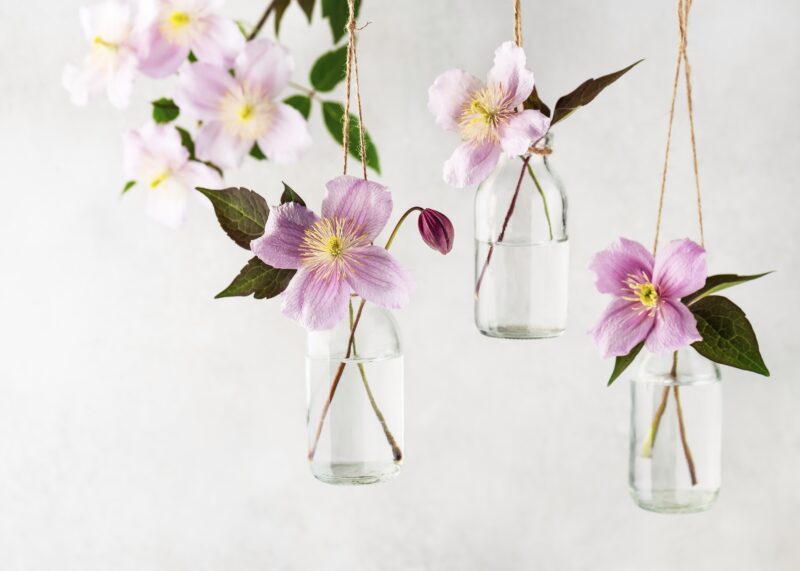
An indoor garden is more than just plants. Adding decorative elements — water features, nature-inspired artwork, fairy lights, and natural material accessories — elevates a collection of plants into a fully immersive sensory environment.
Water features: Even a small tabletop fountain introduces the sound of moving water, which has a genuinely calming psychological effect. Vertical gardens, indoor plants, and even water features are popular choices for creating a serene environment. These elements not only add visual interest but also serve functional purposes, such as regulating indoor humidity and improving acoustics. In Singapore’s air-conditioned homes where indoor humidity can drop, a small water feature also helps maintain a more comfortable moisture level.
Fairy lights and lanterns: Draping warm fairy lights through trailing plants or around a plant shelf creates a magical atmosphere, particularly in the evening. Lanterns in earthy tones add a decorative focal point without competing with the plants.
Nature-inspired art: Botanical prints, pressed leaf frames, and nature photography add to the layered, garden-like quality of the space without requiring additional plants.
Natural materials: Woven rattan baskets, wooden plant stands, and terracotta pots all reinforce the natural quality of your indoor garden. Their warmth and texture complement green foliage beautifully.
Source: Shutterstock
Frequently Asked Questions About Indoor Gardens
How do I start an indoor garden in a small Singapore apartment? Start with one or two easy-care plants suited to your space’s light conditions — pothos or snake plants are ideal for most HDB interiors. Place them in a well-considered spot, consider a nature-inspired wall colour behind them, and build from there as your confidence grows.
What indoor plants are best for Singapore’s climate? In practice, indoor plants in Singapore HDB homes include monstera, pothos, and snake plants, all of which thrive in the warm, humid conditions. ZZ plants, peace lilies, and ferns are also excellent choices. For bright, sunny spots, succulents, cacti, and croton are well suited.
How do I prevent mould on walls near indoor plants? Mould thrives in humid conditions — and the humidity created by plants can accelerate its growth on walls. Before painting walls in your indoor garden area, apply Nippon Paint’s Anti-Fungus Solution to eliminate existing mould and prevent regrowth. For ongoing protection, consider 3-in-1 Medifresh — an antibacterial paint with mould-resistant properties that’s ideal for humid spaces. Ensure the area is well-ventilated and avoid overwatering plants.
What colours should I paint the walls in my indoor garden space? Nature-inspired tones — soft greens, blue-greens, warm earthy neutrals, and sandy beiges — create the most harmonious backdrop for indoor plants. Nippon Paint’s Elves Green (NP BGG 1608 P), Saxony Blue (NP BGG 1582 A), and Natural Cane (8167) are excellent starting points. Use the Nippon Paint Colour Visualiser app to preview your chosen colour alongside your plants before committing.

Source: Shutterstock
Creating a lush indoor garden in a compact home is entirely achievable — it simply takes a little planning, the right plants for your space, and a genuine enjoyment of the process. With the tips above, you could wake up every morning to fresh greenery, natural fragrance, and a space that feels meaningfully connected to the natural world. If you’ve found a new passion in indoor gardening, there’s no better time to start than now.
Ready to create your indoor garden space? Explore Nippon Paint’s nature-inspired colour palette at nipponpaint.com.sg/colours/find-your-colour/.
How Existing Wall Conditions Affect Painting