
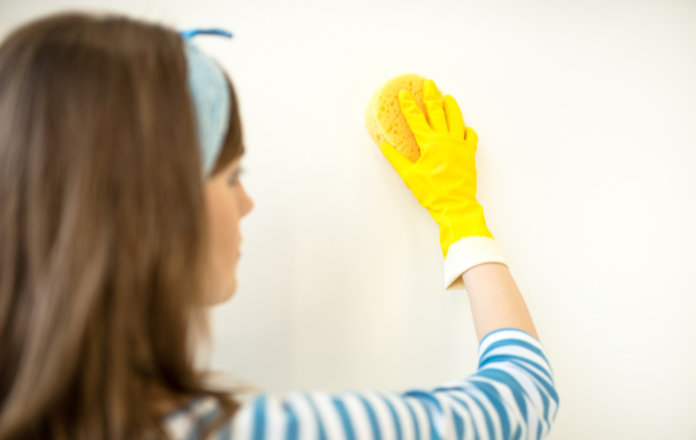
Walls are easy to overlook when it comes to cleaning. Unlike floors, their vertical surface gives the impression that dust simply doesn’t settle — but the reality is quite different. Over time, walls accumulate dust, grease, smoke residue, and even insect droppings, all of which can trigger allergic reactions and worsen respiratory conditions if left unaddressed.
Whether you’re preparing for a fresh coat of paint, maintaining existing walls, or dealing with mould and children’s artwork, this guide walks you through everything you need to know about cleaning your walls without causing damage.
How to Clean and Prep Walls Before Painting
A clean wall surface is the most important foundation for a lasting paint job. High-quality paints bond well to almost any surface, but adhesion is significantly enhanced when the wall is clean, dry, and free from contaminants. Skipping this step is one of the most common causes of premature paint failure.
Tools and materials required:
- Sponges or microfibre cloths
- Buckets
- Grease-cutting detergent such as Selleys Liquid Sugar Soap
- Bleach (for mould-affected areas)
- Warm water
Step 1: Wipe the walls with a suitable solution
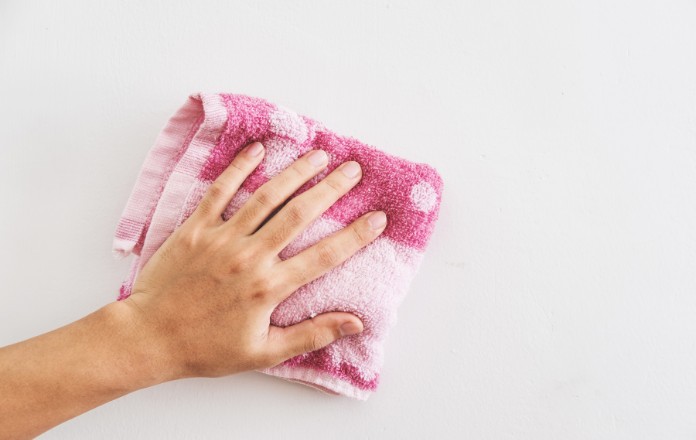
For most interior walls, a sponge dampened with warm water is sufficient. For areas exposed to grease — particularly kitchen walls — use a grease-cutting detergent like Selleys Liquid Sugar Soap diluted in warm water for more effective cleaning.
Step 2: Wipe down with clean water
After cleaning, dip a fresh sponge or microfibre cloth in clean water, wring until damp, and do a second wipe-down to remove any soap residue. Residue left on the wall can also interfere with paint adhesion.
Step 3: Allow walls to dry fully before painting
Give the walls adequate time to dry completely before starting to paint. Painting over damp walls is a common cause of blistering and bubbling — especially in Singapore’s humid climate, where drying times can be longer than expected.
Tip: Always apply a coat of sealer before your paint colours. A primer or sealer improves the adhesion of subsequent paint layers, conceals surface imperfections, and prevents moisture from permeating through the wall. Nippon Paint’s Odour-less Ultra 5102 Sealer is an excellent choice for interior masonry surfaces, offering strong alkali and moisture resistance.
How to Clean Painted Walls Without Removing the Paint
Walls should be cleaned regularly — not just before painting. Uncleaned walls can harbour allergens that worsen asthma and allergies, and homeowners are generally advised to clean their walls every 1 to 4 weeks depending on the room and usage.
The right cleaning approach depends on your paint type and finish:
| Suitable materials | Suitable cleaning frequency | |
|---|---|---|
| Types of wall paint | ||
| Oil-based | Household detergents (diluted) White vinegar Water |
Once every 1 to 2 weeks |
| Water-based | Multi-purpose cleaner Water |
Once a month |
| Types of paint finishes | ||
| Flat or matte | Water | Once a month |
| Eggshell or satin | Dishwashing liquid Water |
Once every 1 to 2 weeks |
| Semi-gloss or gloss | Household detergents (diluted) Water |
Once every 1 to 2 weeks |
If you already have a freshly painted wall, read on for 4 easy steps to clean it without damaging the paint.
Tools and materials required
Before you begin cleaning, prep these tools and materials:
- Non-abrasive sponges or microfibre cloths
- Handheld vacuum or dusting brush with an extendable wand
- Buckets
- Multi-purpose cleaner like Selleys Liquid Sugar Soap
- Baking soda
- Rubbing alcohol
- Melamine sponge
- Warm water
Step 1: Remove dust first
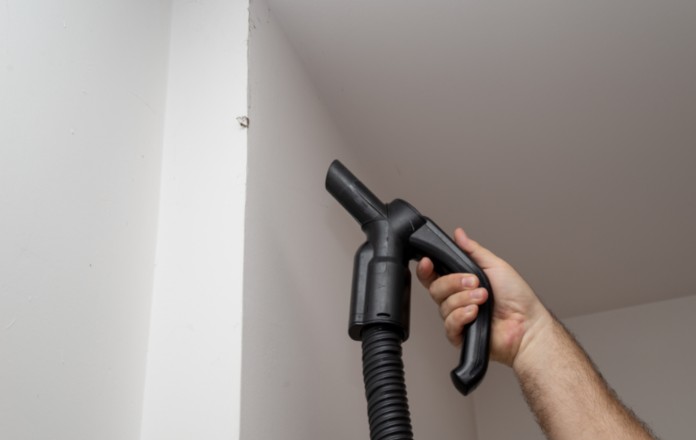
Begin by removing surface dust with a handheld vacuum or a dusting brush fitted with an extendable wand. Start from the top of the wall and work downward. Use a sturdy ladder for high spots — never stretch or overreach.
Step 2: Prepare a suitable cleaning solution
Mix a cleaning solution appropriate for your paint type. Selleys Liquid Sugar Soap is a reliable multi-purpose option that cuts through grime effectively without being too harsh for painted surfaces. Always dilute concentrated cleaners according to the product instructions before use.
Step 3: Wipe from top to bottom
Always wipe walls from top to bottom to prevent dirty water from dripping over already-cleaned areas. Once the surface has been cleaned with the solution, rinse with a clean damp cloth to remove any remaining residue.
Step 4: Tackle stubborn stains
For stubborn stains, try one of the following methods — starting with the gentlest approach:
- Dip a damp sponge in baking soda and rub gently in a circular motion
- Apply rubbing alcohol to a cloth and dab at the stain
- Use a melamine sponge (magic eraser) with light pressure
Always test on an inconspicuous area first, and be careful not to scrub too vigorously — excessive force can remove paint or cause discolouration.
How To Clean Mould Off Walls
Mould is a common issue in Singapore’s humid climate, particularly in bathrooms, kitchens, and poorly ventilated rooms. It should be addressed promptly — both for aesthetic reasons and for the health of everyone in the household.
To remove mould effectively, mix a solution of water and household bleach in a 4:1 ratio (4 parts water to 1 part bleach). Wearing gloves and protective goggles, dip a sponge in the solution and apply it to the affected area. Allow the solution to sit for 3 to 5 minutes before wiping off with a clean, damp cloth.
Important: mould must be fully removed and the wall dried before any painting commences. Painting over mould will not eliminate it — the mould will continue to grow beneath the new paint layer.
How to Prevent Mould on Walls
Prevention is always more effective than remediation. If your walls are currently mould-free, the following measures during your next paint job will help keep them that way.
1. Apply an antifungal solution before painting
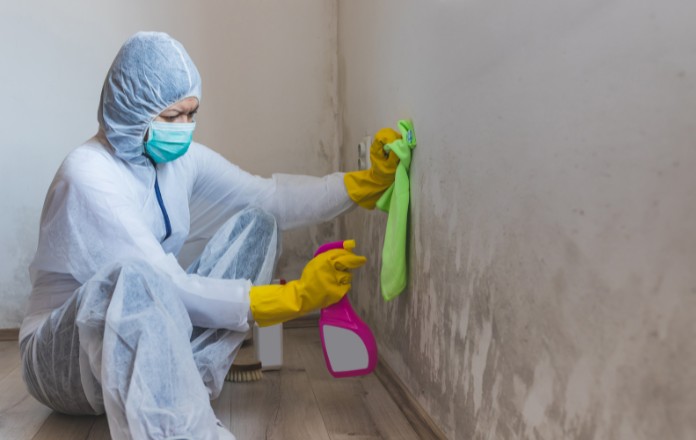
Before painting begins, apply an antifungal solution such as Selleys Rapid Mould Killer to the walls and allow it to sit for the duration specified on the product label.
This helps eliminate the spores that cause fungal and algae growth before they’re sealed under a new coat of paint. Ensure the surface is fully dry before proceeding.
2. Choose a paint with mould-resistant properties
The type of paint you use plays a significant role in mould prevention. Nippon Paint’s EasyWash & Clean — available in both Matt and Low Sheen finishes — features antifungal and mould-resistant properties alongside its easy-clean Teflon surface protection, making it an excellent choice for high-humidity rooms. For bathrooms in particular, consider 3-in-1 Medifresh, which offers active antibacterial protection against harmful bacteria including MRSA and E-Coli, lasting up to 5 years.
How To Clean Writing Off Walls
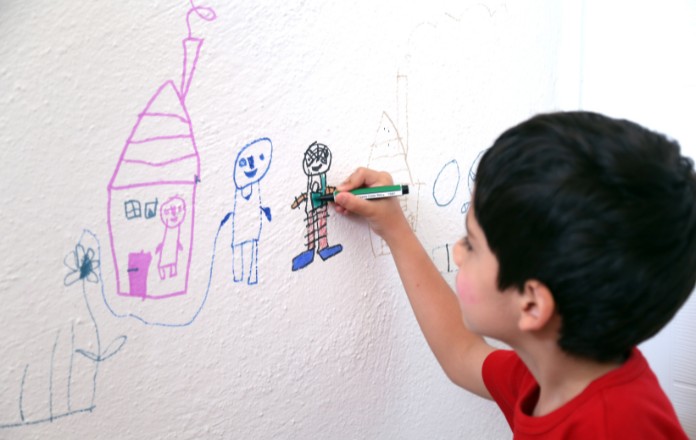
If you have young children, wall art is practically inevitable. Here are the most effective ways to remove crayon and marker stains from painted walls:
- Spray with Selleys RP7 and wipe with a clean cloth
- Spray with a multi-purpose cleaner and wipe with a damp cloth
- Dip a sponge in a solution of water and dishwashing liquid, and work in a gentle circular motion
- Use a melamine sponge with light pressure
Always start with the gentlest method and apply minimal pressure — scrubbing too hard can strip the paint or cause discolouration. If your walls are painted with Nippon Paint’s EasyWash & Clean, stain removal is considerably easier thanks to the Teflon surface protection.
FAQs About Cleaning Walls
How to clean soot off walls?
Soot (caused by kitchen fires, poorly ventilated fireplaces, or burning candles) requires careful handling as it can smear easily if wiped incorrectly.
Follow these steps:
- Put on goggles, a mask, and gloves
- Move or cover furniture with protective sheets
- Open windows to ventilate the room
- Vacuum the walls with a dusting brush to remove loose soot
- Dry clean: Use a soot-specific sponge to go over the stained areas
- Wet clean: Dip a clean sponge in a grease-cutting dishwashing liquid solution and wipe the surface
- Dry the wall with a clean cloth
- Vacuum the floor to collect any soot that has fallen
How to clean textured walls?
Textured surfaces like exposed brick or rough plaster are more labour-intensive to clean due to their uneven surface, but the process is the same as for flat walls — just more thorough.
- Remove dust with a vacuum or soft dusting brush
- Mix a suitable cleaning solution
- Wipe from top to bottom, working the solution into the textured surface
- Wipe again with a clean, damp cloth
Always do a spot test in a hidden area first to confirm that your cleaning agent is compatible with the surface texture.
How to keep walls clean longer?
Good habits between deep cleans make a significant difference:
- Avoid smoking indoors, and minimise burning candles and high-heat cooking near walls
- Spot clean immediately when you notice marks or stains — fresh stains are always easier to remove than dried ones
- Use a washable paint like Nippon Paint’s EasyWash & Clean in high-traffic areas to make ongoing maintenance effortless
Do I need a professional to clean my walls?
For general dirt, minor marks, and limited mould, a DIY clean is perfectly sufficient. However, if mould is widespread, recurring, or accompanied by signs of water infiltration (such as damp patches or peeling paint), a professional assessment is strongly recommended. Persistent mould is often a symptom of a deeper moisture problem that cleaning alone cannot resolve.
17 Popular Room Ideas in 2026 that Your Baby Boy will Love