
Why Paint Labels Are So Confusing — and How to Read Them
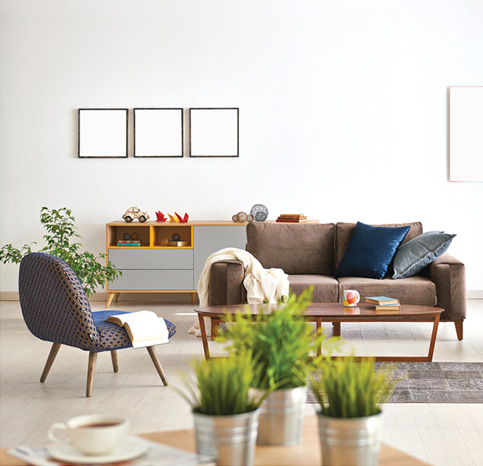
Source: Daylightistanbul Studio — Shutterstock
Walking into a paint store for the first time can be disorienting. The shelves are lined with hundreds of cans, each labelled with shade names you have never heard of and technical terms that seem to assume existing knowledge — primer, sealer, undercoat, Medifresh, Weatherbond.
Understanding what these terms actually mean is not just useful trivia. Choosing the wrong product for a surface or skipping a step entirely are among the most common reasons a DIY paint job looks uneven, peels early or needs to be redone within a year. This guide breaks down the ten most important paint terms in plain language, so you can walk into any paint store — or browse any product page — with confidence.
1. Primer
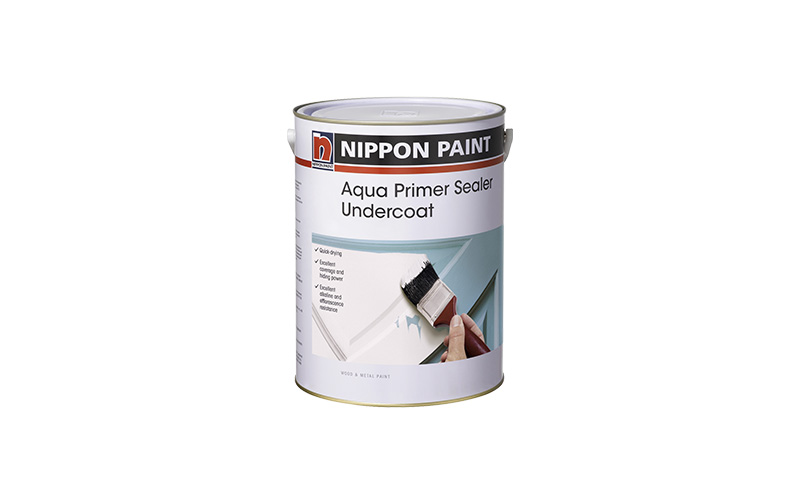
What it is: The first coat of paint applied directly to a bare or prepared surface, before any colour coat goes on.
A primer does several things at once: it seals the surface to prevent subsequent coats from absorbing unevenly, improves adhesion so the top coat bonds properly and lasts longer, and in some formulations, provides moisture resistance or stain-blocking properties. Skipping the priming step is one of the most common DIY mistakes — and one of the most visible, because an unprimed surface tends to produce a patchy, uneven finish regardless of how many top coats are applied.
Before applying any primer, ensure the surface is thoroughly clean and completely dry. Dust, grease and moisture all compromise adhesion.
Recommended product: Nippon Paint Aqua Primer Sealer Undercoat — a water-based, all-in-one pre-coat suitable for a wide range of surfaces including concrete, fibreboard, wood, metal and plastic.
2. Sealer
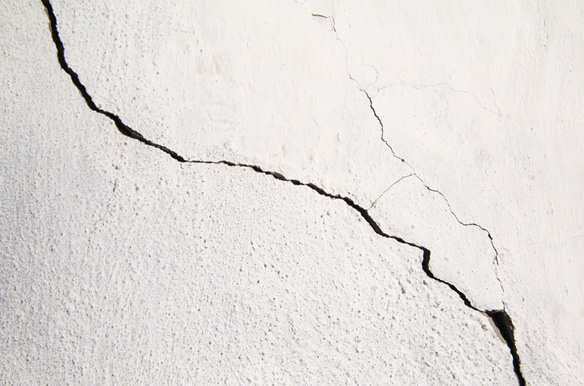
Source: A_l.i.s_A — Shutterstock
What it is: A specialised type of primer designed to recondition uneven or porous surfaces before a top coat is applied.
Sealers are particularly important when painting over walls that have had cracks or holes filled with putty. Putty is significantly more porous than the surrounding concrete, so without a sealer, the top coat absorbs at different rates across the wall — resulting in visible patches and an uneven sheen. A sealer evens out the porosity of the entire surface, giving the top coat a consistent base to adhere to.
Recommended product: Nippon Paint Expresskote Sealer — a fast-drying sealer that prevents chalking and enhances top coat adhesion, ideal for walls that have been filled or patched.
3. Undercoat
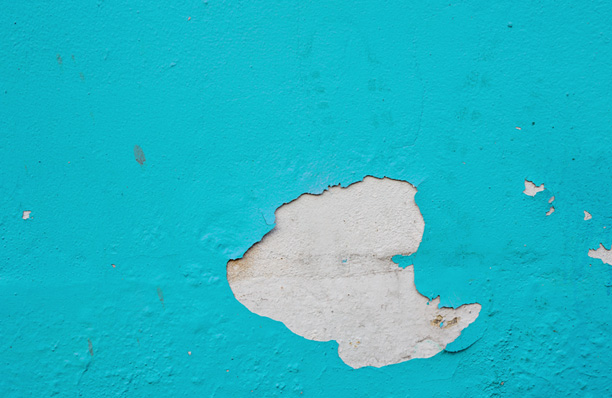
Source: Phattara Heesawat — Shutterstock
What it is: An intermediate coat applied after priming and before the top coat, primarily used on timber and metallic surfaces.
For standard interior walls, modern primers have largely replaced the need for a separate undercoat. However, for wood and metal surfaces, an undercoat remains important — it seals surface imperfections, provides a uniform base for the top coat and, critically, offers a protective barrier against moisture and corrosion.
If you are painting timber furniture, wooden doors, window frames or metal railings, do not skip this step.
Recommended product: Nippon Paint Bodelac 9000 Undercoat — a high-opacity, high-solid undercoat that conceals surface imperfections and protects timber and metallic surfaces before the top coat is applied.
4. Top Coat
Source: FlorianKunde — Shutterstock
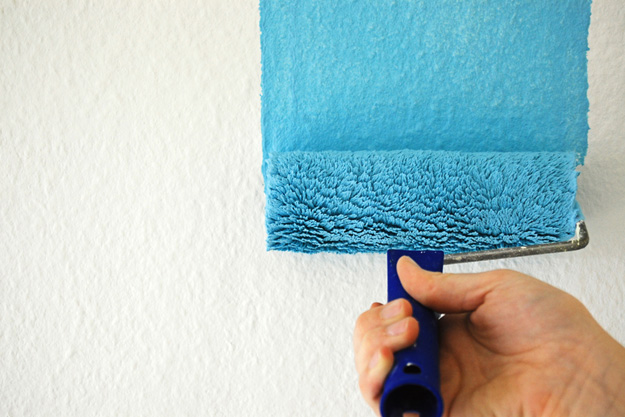
What it is: The final layer of paint — the colour and finish you actually see on your walls or surfaces.
The top coat is what most people think of when they think of paint. It comes in a wide range of sheens — matte, eggshell, satin, semi-gloss and gloss — each suited to different rooms and surfaces. For the best coverage and depth of colour, apply the top coat in two coats rather than one, allowing the first coat to dry fully before applying the second.
Nippon Paint offers a comprehensive range of top coats for interior and exterior walls, as well as specialised formulations for timber and metal surfaces.
5. Odour-less (Low-VOC) Paint
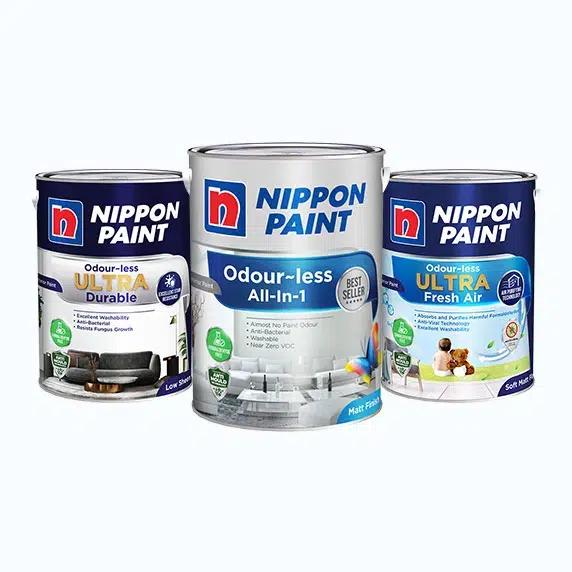
What it is: Paint formulated to emit near-zero levels of volatile organic compounds (VOCs) — the chemical compounds responsible for the strong smell associated with conventional paint.
VOCs are not just unpleasant — in enclosed spaces, prolonged exposure can irritate the eyes, nose and throat, and in high concentrations may trigger respiratory issues. In Singapore’s compact, air-conditioned apartments, VOC levels can accumulate more than in naturally ventilated homes, making low-VOC formulations especially worth considering for bedrooms, children’s rooms and spaces with limited airflow.
Odour-less paint performs identically to conventional paint in terms of coverage and durability — the only difference is the absence of fumes during and after application.
Recommended product: Nippon Paint Odour-less All-in-One — reduces VOC levels to near zero, making it comfortable to paint and re-occupy rooms quickly without the need for extended ventilation periods.
6. Anti-Mould Paint
Source: Justek16 — Shutterstock
What it is: Paint containing fungicide additives that actively inhibit the growth of mould and mildew on painted surfaces.
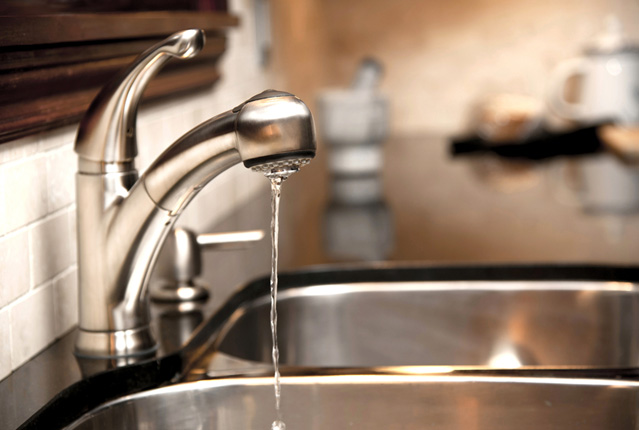
In Singapore’s year-round heat and humidity, mould is a persistent problem — particularly on ceilings in bathrooms, kitchens and poorly ventilated rooms. Standard paint offers no protection against mould growth; once moisture penetrates the surface, mould can develop beneath and behind the paint layer, leading to discolouration, bubbling and eventually structural damage if left untreated.
Anti-mould paint addresses this at the surface level, providing an active barrier that prevents mould from taking hold.
Recommended product: Nippon Paint Odour-less Anti-Mould Ceiling White — formulated specifically for high-moisture areas such as kitchens and bathrooms, protecting ceilings against mould and mildew.
7. Easy Wash / Washable Paint

Source: Alena Ozerova — Shutterstock
What it is: Paint with a durable, stain-resistant finish that allows marks and dirt to be wiped or washed off without damaging the painted surface.
Standard emulsion paint is not designed to withstand repeated scrubbing — washing a marked wall too aggressively can remove the paint along with the dirt. Washable paint uses a tougher resin that holds up to cleaning, making it a practical choice for households with young children, high-traffic corridors, kitchens and anywhere that wall contact is frequent.
Recommended product: Nippon Paint EasyWash & Clean (Low Sheen) — resists stains and can be wiped clean without compromising the painted finish.
8. Anti-Bacterial Paint (Medifresh)
What it is: Paint infused with an anti-bacterial formula that actively inhibits the growth of harmful bacteria on painted surfaces.
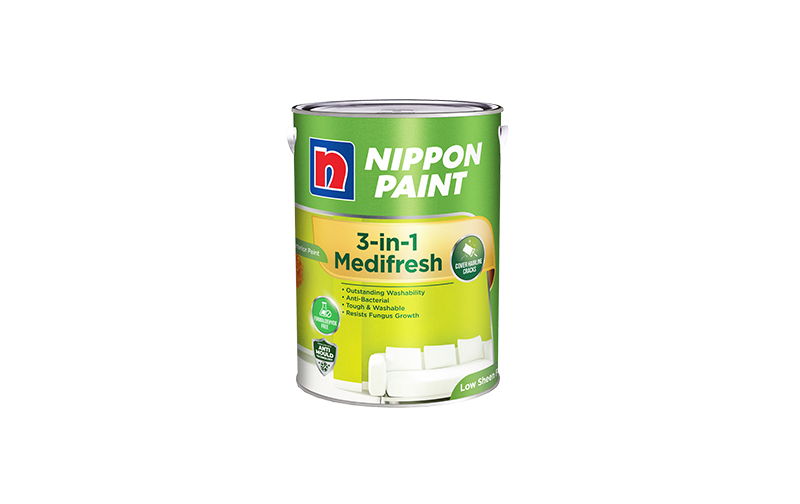
Nippon Paint 3-in-1 Medifresh provides lasting anti-bacterial protection — up to five years — against common pathogens including MRSA, E. coli and Staphylococcus aureus. These bacteria are associated with a range of illnesses including respiratory infections, gastroenteritis and skin conditions.
Anti-bacterial paint is particularly worth considering for homes with young children, elderly occupants or anyone with a compromised immune system, as well as for kitchens, bathrooms and other high-contact surfaces.
Recommended product: Nippon Paint 3-in-1 Medifresh — anti-bacterial protection lasting up to five years against MRSA, E. coli and Staphylococcus aureus.
9. Weatherproof Exterior Paint (Weatherbond)
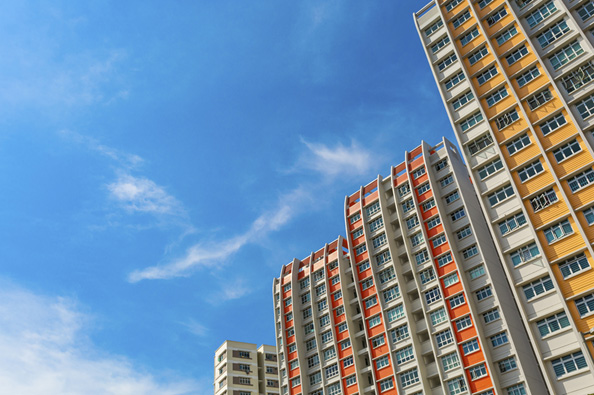
Source: Andrew Lam — Shutterstock
What it is: Heavy-duty exterior paint formulated to withstand prolonged exposure to rain, humidity, UV radiation, dirt, fungus and algae.
Standard interior paint will fail rapidly on exterior surfaces — it is not designed to handle the thermal expansion and contraction caused by temperature changes, or the sustained moisture exposure from rain. In Singapore’s climate, exterior paint also needs to resist algae and fungal growth, both of which are accelerated by warmth and humidity.
A quality exterior paint should protect your walls for several years without cracking, peeling or discolouring — reducing the frequency and cost of repainting.
Recommended product: Nippon Paint Weatherbond Algaeguard — a high-performance exterior paint offering tough protection against Singapore’s weather, with built-in resistance to algae and fungus, and a durable, lustrous finish.
10. Weatherproof Exterior Paint (Weatherbond)
What it is: Heavy-duty exterior paint formulated to withstand prolonged exposure to rain, humidity, UV radiation, dirt, fungus and algae.
Standard interior paint will fail rapidly on exterior surfaces — it is not designed to handle the thermal expansion and contraction caused by temperature changes, or the sustained moisture exposure from rain. In Singapore’s climate, exterior paint also needs to resist algae and fungal growth, both of which are accelerated by warmth and humidity.
A quality exterior paint should protect your walls for several years without cracking, peeling or discolouring — reducing the frequency and cost of repainting.
Recommended product: Nippon Paint Weatherbond Algaeguard — a high-performance exterior paint offering tough protection against Singapore’s weather, with built-in resistance to algae and fungus, and a durable, lustrous finish.
Quick Reference: Which Paint Product Do You Need?
| Situation | Product to use |
|---|---|
| Bare wall before painting | Primer (Nippon Aqua Primer Sealer Undercoat) |
| Wall with filled cracks or putty patches | Sealer (Nippon Expresskote Sealer) |
| Timber or metal surfaces | Undercoat (Nippon Bodelac 9000) |
| Bedroom or enclosed space | Odour-less paint (Nippon Odour-less All-in-One) |
| Bathroom or kitchen ceiling | Anti-mould paint (Nippon Odour-less Anti-Mould Ceiling White) |
| High-traffic walls or homes with children | Washable paint (Nippon EasyWash & Clean) |
| Homes with young children or elderly | Anti-bacterial paint (Nippon 3-in-1 Medifresh) |
| Any exterior surface | Weatherproof paint (Nippon Weatherbond Algaeguard) |
Frequently Asked Questions
What is the difference between a primer and a sealer?
A primer is the first coat applied to a bare or cleaned surface to improve adhesion and provide a stable base for subsequent coats. A sealer is a type of primer specifically designed to even out the porosity of uneven or patched surfaces — particularly useful on walls where cracks or holes have been filled with putty. In practice, many modern primers combine both functions.
Do I always need to use a primer before painting?
For most surfaces, yes. Priming improves adhesion, extends the life of the top coat and produces a more even finish. The exception is if you are applying a fresh coat of the same paint over a surface in good condition — in that case, a primer may not be necessary. Always prime bare plaster, new concrete, repaired surfaces and any surface that has been previously painted in a significantly different colour or sheen.
What is the difference between an undercoat and a primer?
A primer is the first coat applied directly to the bare surface. An undercoat is applied after priming, as an intermediate layer, primarily on timber and metal surfaces to provide additional opacity and surface protection before the top coat. For standard interior walls, modern primers typically eliminate the need for a separate undercoat.
What does VOC mean in paint, and is it dangerous?
VOC stands for volatile organic compound — chemical particles released as paint dries. At high concentrations, VOCs can irritate the respiratory system and, in the case of prolonged exposure, may pose broader health risks. In Singapore’s well-sealed, air-conditioned apartments, VOC levels can build up more than in naturally ventilated homes. Low-VOC or zero-VOC paints — such as Nippon Paint Odour-less All-in-One — are the safest choice for enclosed spaces.
How many coats of top coat should I apply?
For most surfaces, two coats of top coat is the standard recommendation. A single coat rarely provides sufficient coverage or depth of colour, and often leaves underlying colour or surface variation showing through. Allow the first coat to dry completely before applying the second.
What type of paint should I use for exterior walls in Singapore?
In Singapore’s climate, exterior walls need a paint that can withstand heavy rainfall, high UV exposure, humidity and biological growth (algae and mildew). A dedicated weatherproof exterior paint — such as Nippon Paint Weatherbond Algaeguard — is the appropriate choice. Standard interior paint will deteriorate rapidly on exterior surfaces and is not suitable for outdoor use.
Paint Smarter, Not Harder
The difference between a paint job that looks professional and one that disappoints almost always comes down to product selection and preparation — not technique. Understanding what each product does, and why the preparation steps matter, gives you a significant head start before you pick up a brush.
For personalised advice on the right products for your specific surfaces and project, visit nipponpaint.com.sg or speak to a consultant at your nearest Nippon Paint Colour Centre.
Not All It's Cracked Up To Be: Cracks on the Wall and What to Do With Them