
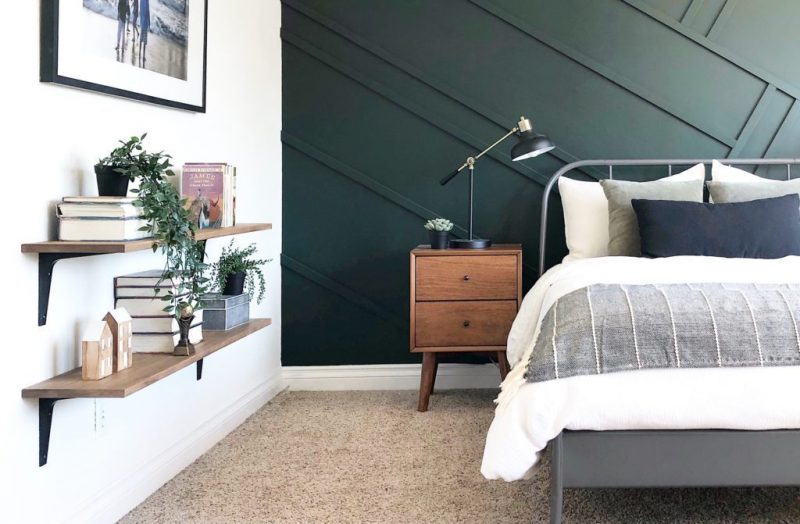
Credit: How to Create a Focal Point in a Room
A feature wall is a selected wall in your home where different textures, patterns, shapes and materials are used to accentuate the space.
It’s highly versatile, making it easy to suit different aesthetic preferences. Whether you prefer a loud or subtle design, a feature wall is a great way to reflect your personality.
Can’t decide on a design? We’ve rounded up some of the most Instagram-worthy feature wall ideas to suit different styles and budgets.
Key Takeaways:
- A feature wall is an effective way to create a strong focal point and add depth to a space without a full renovation.
- There are a wide range of materials available allowing flexibility across budgets and styles.
- Thoughtful design planning, including choosing the right wall, material, and lighting, is key to achieving a cohesive and visually balanced result.
- Current trends lean towards textured, nature-inspired designs such as fluted panels, timber slats, and stone finishes, creating more immersive and timeless interiors.
What Is A Feature Wall?
A feature wall is a single wall in a room designed to stand out as the focal point. Unlike a standard wall, it incorporates elements such as texture, materials, patterns, or architectural details to add depth and visual interest to the space.
What’s the Difference Between a Feature Wall and an Accent Wall?
While the terms are often used interchangeably in modern interior design, there are subtle differences between the two.
An accent wall typically refers to one wall painted in a contrasting colour to create visual interest. A feature wall, on the other hand, takes it a step further by incorporating materials like wood panelling, wallpaper, stone, or other design elements to create a more impactful statement.
|
Aspect |
Accent Wall |
Feature Wall |
| Definition | A wall with a contrasting paint colour | A wall designed with added materials or design elements |
| Design Approach | Simple and colour-focused | More detailed and multi-dimensional |
| Materials Used | Paint, wallpaper | Paint, wallpaper, wood, stone, panels, textures |
| Visual Impact | Subtle contrast | Strong focal point |
| Cost & Effort | Generally lower | Can be higher depending on materials and complexity |
What Are The Best Feature Wall Materials?
Choosing the right material for your feature wall depends on your budget, design style, and the level of impact you want to create. Each option offers different benefits in terms of aesthetics, cost, and durability.
| Material | Approx. Cost (per sq ft) | Difficulty | Durability |
| Paint | Low | Easy | Medium |
| Wallpaper | Low–Mid | Easy–Medium | Medium |
| Wood Panelling | Mid–High | Medium | High |
| Fluted Panels | Mid | Medium | High |
| Marble | High | High | Very High |
| Stone / Brick Veneer | Mid–High | High | Very High |
| Architectural Moulding | Mid | Medium | High |
| Textured Concrete | Mid-High | High | Very High |
| Mirrored Panels | Mid-High | Medium | Medium-High |
Paint
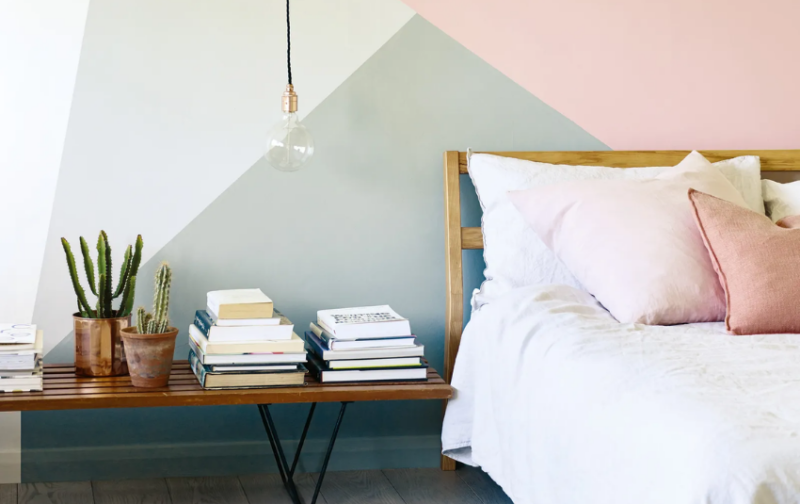
Credits: Real Homes
Paint is the most affordable and versatile option, making it ideal for quick transformations. It works well for bold statement colours, two-tone designs, or geometric wall patterns, and requires minimal materials and effort.
Wallpaper & Wall Murals
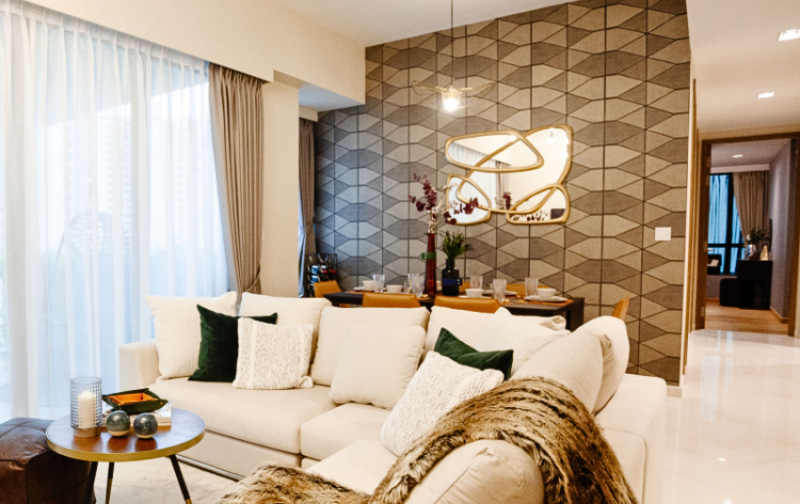
Credits: Wall Hub
Wallpaper offers a wide range of patterns, from floral and botanical to geometric and abstract, making it easy to achieve a specific look. Wall murals are especially popular for bedrooms and home offices.
Timber / Wood Panelling
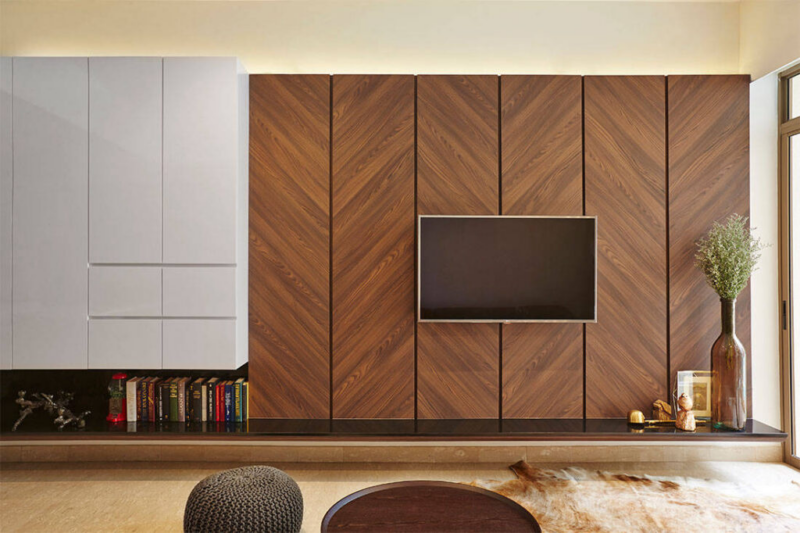
Wood panelling is a popular choice for adding warmth and texture. Options include shiplap, tongue-and-groove, fluted panels, and reclaimed wood. It’s commonly used in living rooms and bedrooms, especially in Japandi or Scandinavian-style interiors, and generally comes at a mid-to-high cost.
Fluted Panels
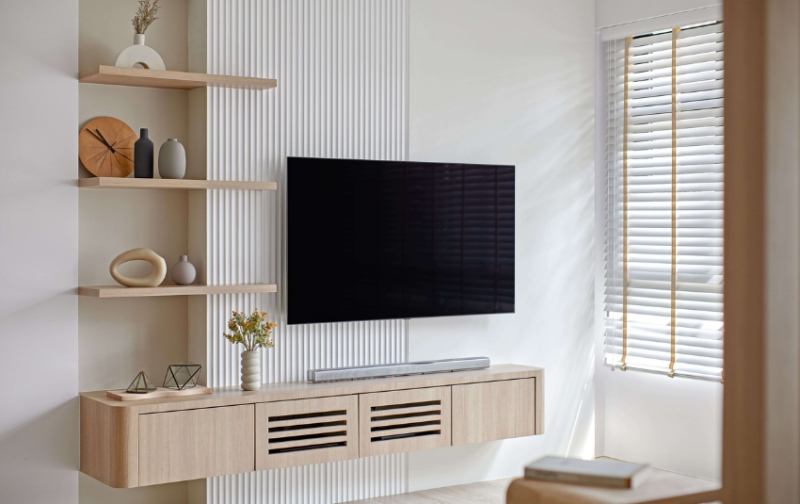
Credits: Lemon Fridge
Fluted panels are one of the biggest design trends currently, offering a clean, modern look with added depth and movement. They work well in minimalist and contemporary spaces, particularly for TV feature walls with integrated lighting.
Marble
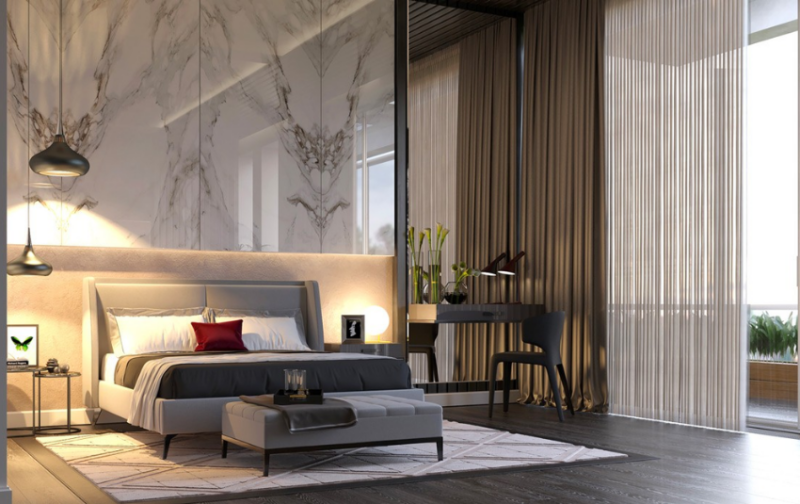
Credits: Home Designing
When combined with modern furniture, a marble feature wall adds a simple yet elegant touch to the room. However, it’s best not to do marble for both the wall and flooring in the same room as it may seem overdone.
Stone Cladding & Brick Veneer
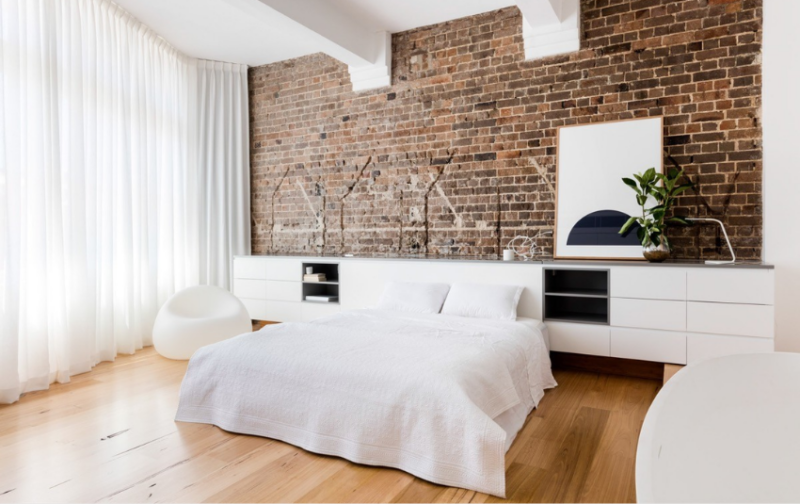
Credits: Home Designing
Stone and brick finishes offer a timeless, textured look that suits rustic, industrial, or even modern luxury interiors. Known for their durability, they are especially popular in living rooms, often used as TV feature walls, as well as in bedrooms for a more distinctive, character-filled space. Exposed brick, in particular, adds a warm, homely feel, making it a go-to choice for those who appreciate rustic design, despite the higher installation cost.
Wainscoting, Board & Batten, and Architectural Moulding
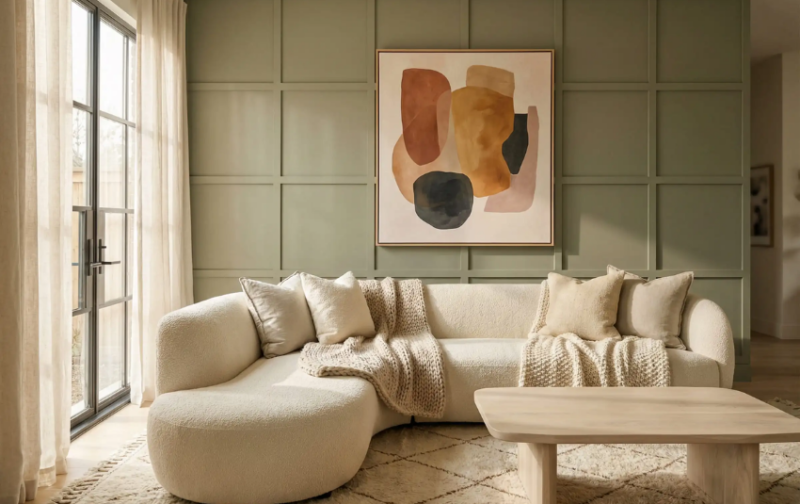
Credits: Hackrea
These classic design elements add elegance and structure to a space, making them suitable for traditional or transitional interiors. Commonly used in dining rooms, hallways, and entryways, they also offer popular DIY options like board and batten designs.
Textured Concrete & Plaster Finishes
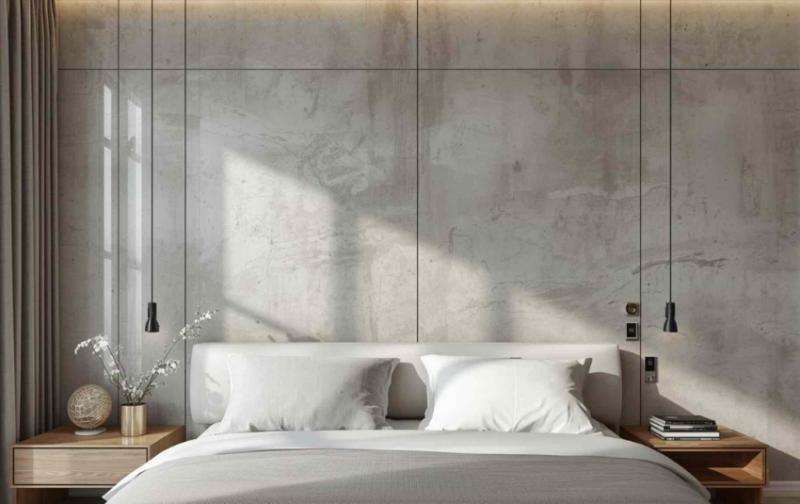
Credits: Simpolo
Concrete and plaster finishes create a modern, industrial aesthetic with a strong visual presence. They add depth and a sense of permanence, making them particularly effective for statement areas like fireplaces.
Mirrored & Glass Panels
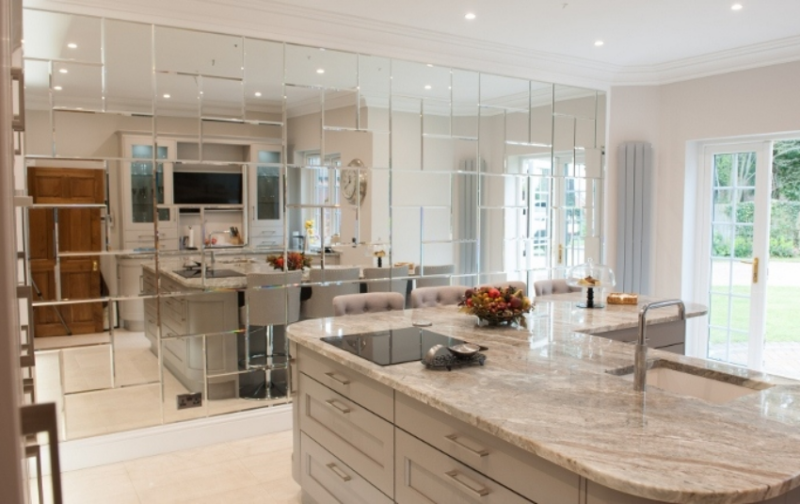
Credits: Northfield Glass
Mirrored and glass panels help reflect light and create the illusion of a larger space, making them ideal for smaller rooms. They also add a touch of sophistication and brightness to the overall design.
Built-in Carpentry
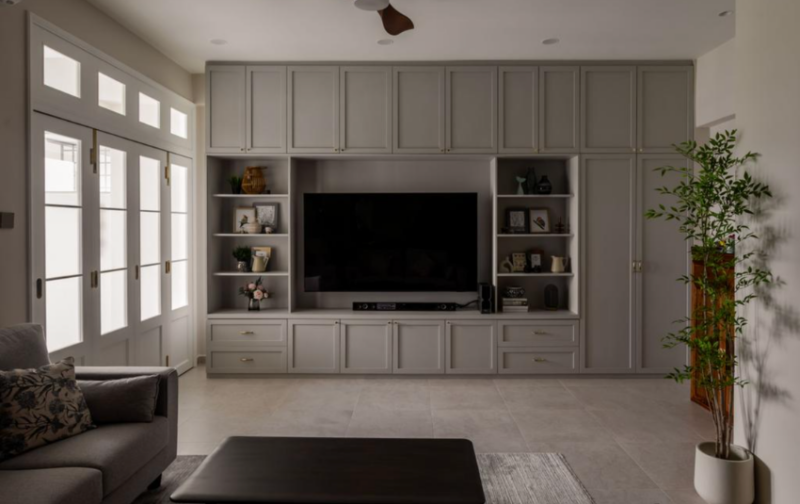
Credits: Qanvast
Built-in carpentry feature walls combine aesthetics with functionality by integrating storage, shelving, and TV consoles into one cohesive design. Typically constructed from engineered wood and finished with laminates or veneers, they are highly customisable and popular in Singapore homes for maximising space. This option works well in living rooms, offering both visual impact and practical storage, though costs can vary depending on design complexity and materials used.
Feature Wall Design Ideas by Room
Looking for inspiration? From bold statement walls to subtle, Instagram-worthy designs, feature walls can transform any room with minimal effort. Here are some ideas tailored to different spaces in your home:
Living Room Feature Wall Ideas
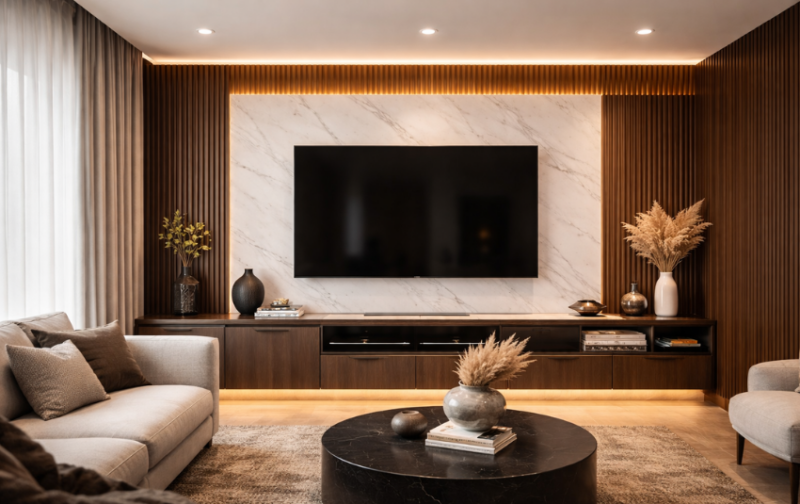
The living room is often the main focal space, making it perfect for a standout feature wall. Consider a TV feature wall with integrated shelving and LED backlighting for a sleek, modern look, or opt for stone or brick to create a cosy, rustic vibe. Floor-to-ceiling fluted panels add a contemporary touch, while bold paint or deep earthy tones behind the sofa can create a strong visual anchor.
Bedroom Feature Wall Ideas
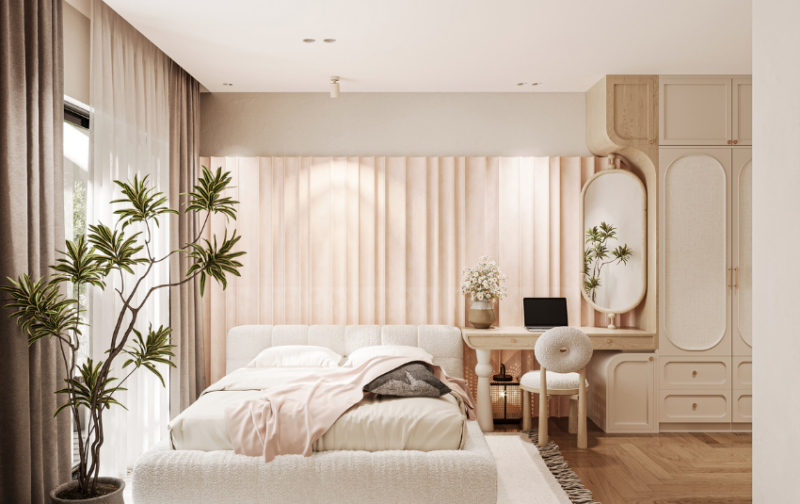
In the bedroom, feature walls can enhance comfort while adding style. Wallpaper murals or botanical prints behind the headboard create a calming yet eye-catching backdrop. Slatted timber panels offer a modern alternative to traditional headboards, while wainscoting or board and batten designs bring a refined, boutique-hotel feel. For a simpler approach, try two-tone paint with moulding details to add subtle depth.
Dining Room Feature Wall Ideas
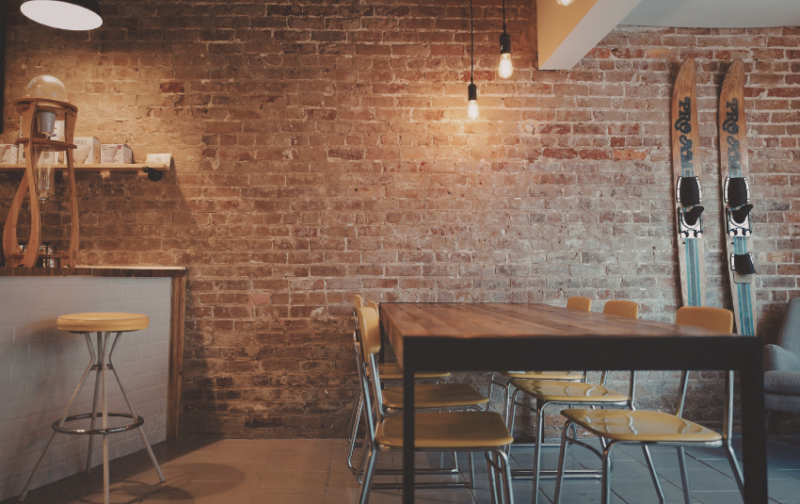
Dining areas are great for more dramatic designs. Deep, saturated colours like black, navy, or forest green can create an intimate and elevated atmosphere. Exposed brick or stone adds texture and warmth, while geometric moulding patterns introduce visual interest without overwhelming the space.
Hallway & Entryway Feature Wall Ideas
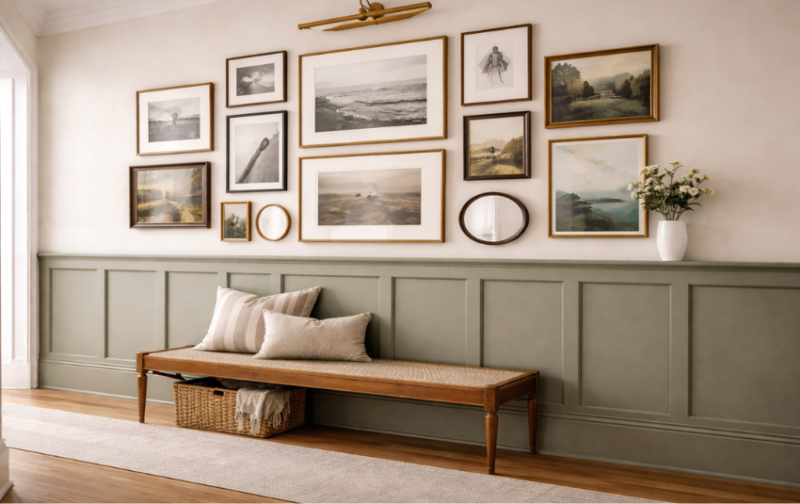
Make a strong first impression with a feature wall in your entryway or hallway. Bold wallpaper can create instant impact, while board and batten designs help add height and architectural character. For longer corridors, a curated gallery wall is both stylish and engaging.
Bathroom & Powder Room Feature Wall Ideas
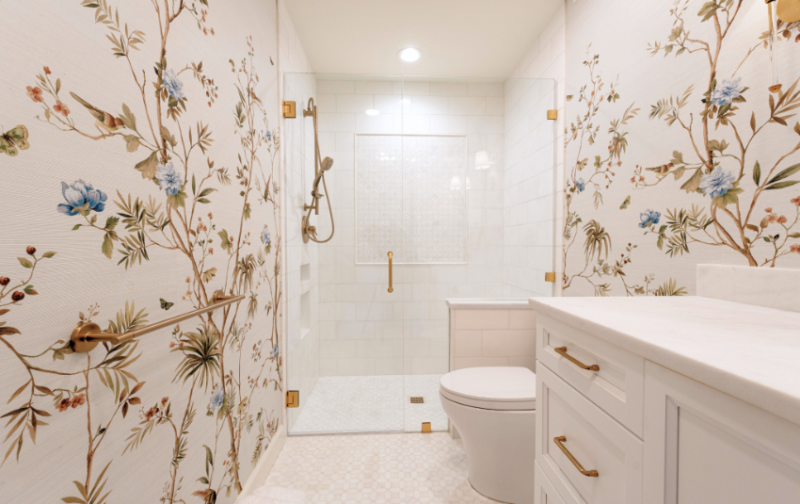
Smaller spaces like bathrooms are perfect for experimenting with bold, high-impact designs. Patterned tiles, such as Moroccan zellige or geometric styles, can create a striking focal point. Antique mirror panels help visually expand compact powder rooms, while waterproof fluted panels or stone veneer add texture and durability.
Home Office Feature Wall Ideas
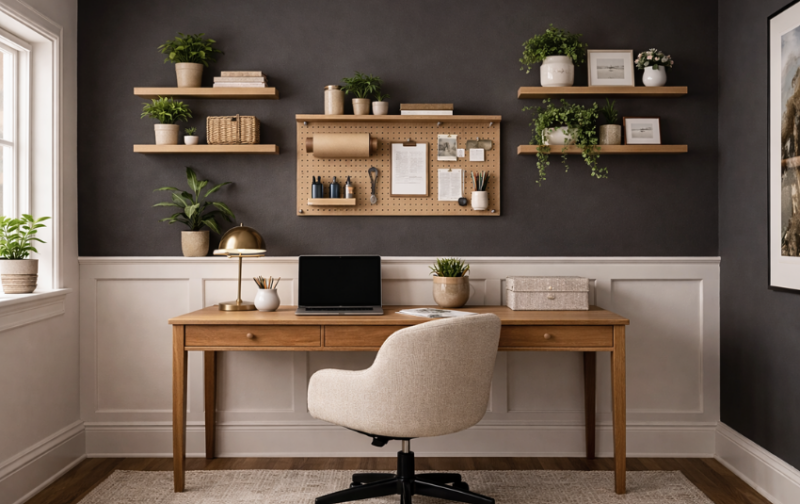
A well-designed feature wall in your home office can boost both focus and creativity. Consider a hand-painted or printed mural for inspiration, or use a darker paint tone to define the workspace. For a functional twist, a pegboard feature wall allows for both display and organisation, blending practicality with design.
Feature Wall Trends for 2026
Feature wall designs in 2026 are shifting towards more tactile, immersive, and nature-inspired styles, driven by both search trends and social media aesthetics. Key trends to watch include:
- Deep, nature-inspired hues: Olive green, moss, terracotta, rust, and mustard tones for a warm, grounded look
- Fluted and ribbed panels: A defining trend that adds texture and visual rhythm
- Japandi-style timber slats: Clean, minimal, and warm, perfect for modern, calming interiors
- Stone and textured plaster finishes: A move towards natural materials and a sense of permanence
- Oversized mural wallpaper: Bold, immersive designs that transform entire walls
- Integrated lighting: LED strips and recessed spotlights to enhance depth and ambience
- Curved and arched moulding: Softer lines that add elegance and visual interest
- The “fifth wall” (ceilings): Extending feature designs upward for a more cohesive, statement look
How To Design A Feature Wall?
Designing a feature wall doesn’t have to be complicated. Follow these steps to create a cohesive and visually impactful result:
1. Define the Mood
Start by deciding the overall feel you want for the room, whether it’s cosy and rustic, sleek and modern, or bold and dramatic. This will guide your design choices.
2. Identify the Focal Wall
Choose the wall your eye naturally lands on when entering the room. This ensures the feature feels intentional and well-placed.
3. Choose the Right Material
Select materials based on your budget, design style, and maintenance needs, whether it’s paint, wallpaper, timber, or stone.
4. Consider Room Proportions
Take into account the size and layout of the room. The feature wall should enhance the space, not overwhelm it.
5. Plan Your Lighting
Incorporate lighting such as ambient lights, recessed spotlights, or LED strips to highlight textures, colours, and key design elements.
6. Coordinate with Furniture and Finishes
Ensure your feature wall complements existing furniture, colours, and materials so the space feels cohesive rather than cluttered.
7. Decide: DIY or Professional Installation
Determine whether your design can be done yourself, such as paint or peel-and-stick options, or if it requires professional installation for materials like stone, timber, or moulding. For painting, working with trusted brands like Nippon Paint and their professional painting services can help ensure a smooth, high-quality finish, especially for more complex designs or premium results.
Common Feature Wall Mistakes to Avoid
- Overloading with patterns or colours: Too many bold elements can make the space feel cluttered rather than cohesive
- Choosing the wrong wall: Avoid walls interrupted by doors, windows, or built-ins
- Ignoring scale: Designs that are too small or understated can look incomplete on large walls
- Following trends too closely: Trend-heavy materials may date quickly, opt for more timeless textures
- Neglecting lighting: Without proper lighting, textures and details may not stand out as intended
- Overdesigning the space: A feature wall works best when the rest of the room is kept balanced and minimal
Having a Feature Wall in Your HDB Home
A well-designed feature wall can instantly elevate your space, adding depth, personality, and a polished finish without the need for a full renovation. Whether you prefer bold statement designs or subtle, timeless textures, the right combination of materials and colours can transform any room into something truly your own.
Not confident in painting your own feature wall?
Work with trusted experts like Nippon Paint to get a wide range of premium colours and finishes, as well as reliable workmanship to bring your vision to life. Contact us for a quotation today!
FAQs About Feature Walls
What are the benefits of adding a feature wall?
A feature wall is a simple yet effective way to elevate a space without a full makeover. Key benefits include:
- Creates a focal point: Draws attention and anchors the room visually
- Adds depth and dimension: Enhances the space without redesigning the entire room
- Cost-effective: A more affordable alternative to full renovations
- Enhances spatial perception: Can make small rooms feel larger or ceilings appear taller
- Reflects personal style: Allows you to showcase your personality through design
What should I consider before installing a feature wall?
While a feature wall offers plenty of design flexibility, it’s important to consider a few practical factors before committing:
- Installation costs: A typical HDB feature wall can cost between $1,000–$3,000, depending on factors such as wall size and built-in elements like cabinets. Costs may be higher for condominiums or landed homes due to greater wall height.
- Budget considerations: For homeowners with tighter budgets, a feature wall may not always be the most cost-effective option.
- Cost of redesign: Feature wall styles can become outdated within a few years. Updating the design often involves removing the existing structure before installing a new one, which adds to overall costs.
Are feature walls still in style in 2026?
Yes, but the trend has shifted from simple accent paint colours toward textured materials like fluted panels, stone cladding, and timber slats, making them feel more sophisticated and permanent. Design experts agree that if it feels authentic to your style, it’s always in style.
Should a feature wall be darker or lighter?
Generally, making a feature wall darker than the surrounding walls creates a stronger focal point and draws the eye. However, tone-on-tone textured walls (lighter palette, varied material) can also be highly effective in minimalist spaces.
Can you have two feature walls in one room?
It’s possible, but most designers recommend one feature wall per room. Multiple feature walls can compete for attention and create visual chaos. If you have two, ensure they are complementary and intentional.
What colour is best for a feature wall in a living room?
Deep, saturated tones, such as forest green, navy, charcoal, and terracotta, are performing strongly in 2026. However, the best colour is one that complements your existing furniture palette and the mood you want to create.
How to decide which wall should be a feature wall?
Choose a wall that naturally draws attention when you enter the room, as this will create the strongest visual impact. Feature walls work best behind key furniture pieces like a TV unit, bed headboard, sofa, or fireplace.
To ensure a clean and cohesive look:
- Avoid walls with too many doors, windows, or built-in elements
- In smaller rooms, opt for floor-to-ceiling designs to create a sense of height and space
- Follow the 70/30 rule, your feature wall should enhance the room, not overwhelm it
How to Choose the Right Feng Shui Colours for Your House