
What colour scheme makes a house feel like home?
A house becomes a home when it makes you feel something the moment you walk through the door. While furniture and décor play their part, your colour scheme sets the emotional tone of every room — quietly shaping how warm, calm, energised, or at ease you feel in your own space.
Whether you’re starting from scratch or looking to refresh what you already have, the right colour pairing can transform a house from a place you live in to a place you genuinely love returning to. Here are five reliable combinations — each with Nippon Paint shade suggestions — to help you find your “home sweet home” palette.
1. Apple White with Brown or Wood Accents
Source: shutterstock
Best for: Minimalist, Scandinavian, rustic, and classic interiors
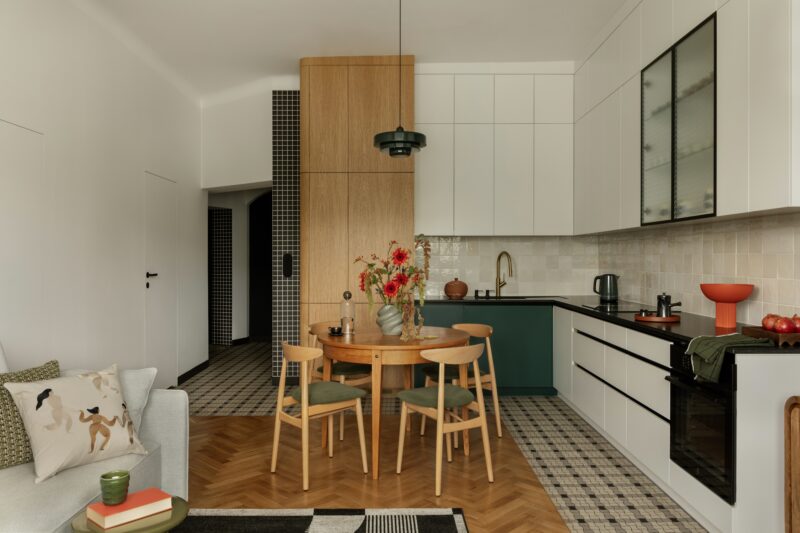
Don’t dismiss this pairing as “too safe” — it’s a combination that earns its popularity. Apple White (1140) sits a shade above the clinical brightness of pure white, carrying just enough warmth to feel inviting without leaning into cream territory. It creates a clean, crisp backdrop that suits almost any interior style — from modern minimalism to Japandi and Scandinavian design.
Pair it with brown or natural wood accents — a teak coffee table, rattan accessories, a walnut bookshelf — and the result is a space that feels grounded, unpretentious, and immediately comfortable. This is the combination that makes people feel they can exhale the moment they get home.
Recommended Nippon Paint shades: Apple White (1140) · Natural Cane (8167) · Toasted Almond (NP N 3132 T)
Frequently asked: What white paint goes best with wood furniture? A warm off-white like Apple White (1140) is the most reliable choice — it picks up the warm undertones of most wood finishes without competing with them.
2. Duck Egg Blue and Taupe
Source: shutterstock
Best for: Coastal, romantic, and relaxed feminine interiors
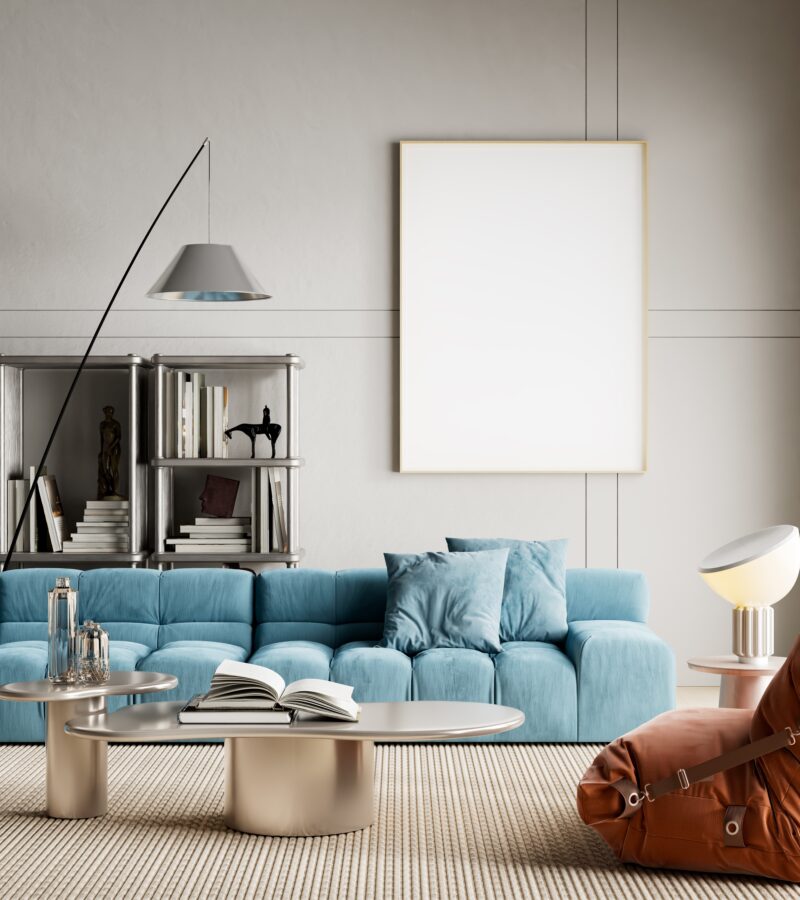
If you’re looking for a palette that feels both elevated and genuinely restful, duck egg blue paired with taupe delivers it with quiet confidence. Taupe introduces the feeling of lush, substantial fabrics and natural warmth, while the cooler duck egg blue adds a gentle, airy quality — like the feeling of a well-appointed boutique hotel room.
Together they create a soothing, layered look that works beautifully in bedrooms and living rooms alike. For a more casual coastal or nautical take, swap the taupe for natural wood accents — the blue reads immediately as sea and sky, and the warmth of wood grounds the whole palette.
Recommended Nippon Paint shades: Misty Morning (NP PB 2877 P) · Pebble Shore (NP N 3132 T) · Beach Lover (NP N 3214 P)
Frequently asked: What colour goes with duck egg blue walls? Taupe, warm beige, and natural wood are the most harmonious companions — they balance the coolness of duck egg blue with enough warmth to prevent the room from feeling cold.
3. Mustard Yellow and Teal
Source: envato
Best for: Eclectic, bohemian, retro, and personality-forward interiors
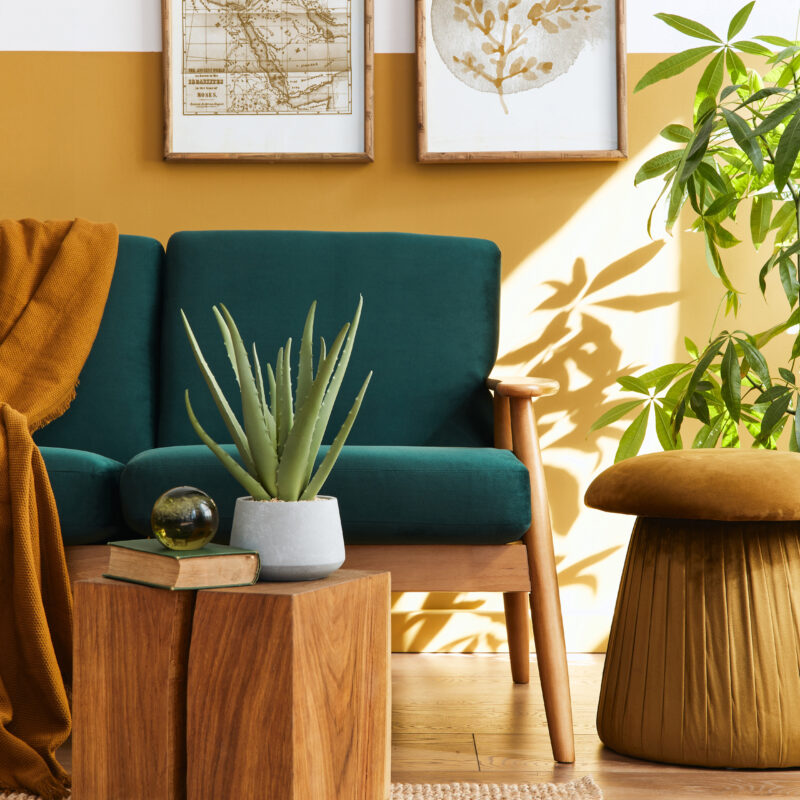
This is the pairing that sounds unlikely on paper yet consistently delivers. Mustard yellow and teal sit opposite each other on the colour wheel — making them complementary colours that bring out the best in each other when used correctly. The earthy warmth of mustard grounds the vivid freshness of teal, and vice versa.
The trick is balance. Use one as the dominant wall colour and the other as a bold accent through cushions, artwork, or statement furniture. Either direction works — mustard walls with teal accents create a warm, energising space; teal walls with mustard accents feel cooler and more dramatic. In 2026, this combination sits squarely within the “dopamine décor” trend — interiors that prioritise joy and personality over convention.
Recommended Nippon Paint shades: Summer Sailing (NP YO 2533 D) · Bamboo Tile (NP BGG 2641 D) · Aquarine (0812)
Frequently asked: Does mustard yellow go with teal? Yes — they are complementary colours, meaning they sit opposite each other on the colour wheel and naturally enhance each other. The key is using one as the primary and the other as an accent, rather than applying both equally.
4. Emerald Green with Brass or Wood Accents
Source: AI-Generated Image
Best for: Sophisticated, botanical, and luxe interiors
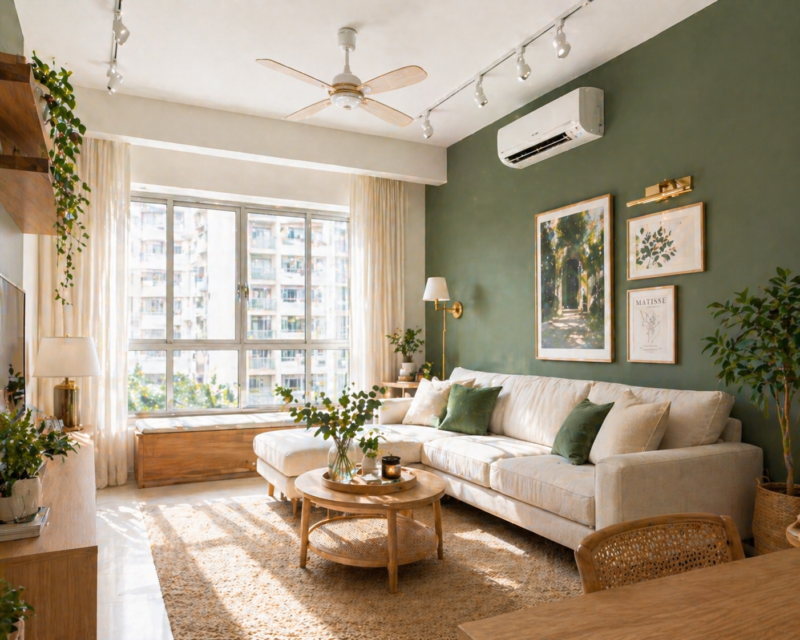
Emerald green is one of the most enduring colour stories in interior design — and in 2026, it remains firmly in the spotlight as both a global colour trend and a perennial favourite. It carries the richness of deep jungle foliage and the regality of fine jewellery, and when paired with brass or warm wood, it achieves something rare: a combination that feels simultaneously cosy and genuinely sophisticated.
Brass fixtures, lamps, picture frames, and cabinet hardware introduce the warm metallic gleam that makes emerald green glow. Natural wood furniture adds an organic warmth that prevents the palette from feeling overly formal. Add a few potted plants for that lush, tropical resort quality that’s immediately inviting.
Recommended Nippon Paint shades: Emerald (9048) · Ultra Green (NP BGG 1610 A) · Sunken Forest (NP BGG 2635 D)
Frequently asked: What colour goes with emerald green walls? Brass and warm gold accents are the classic pairing, bringing out the jewel-toned quality of emerald. Natural wood is equally effective for a more organic, grounded feel. Both work well with off-white or cream as a supporting neutral.
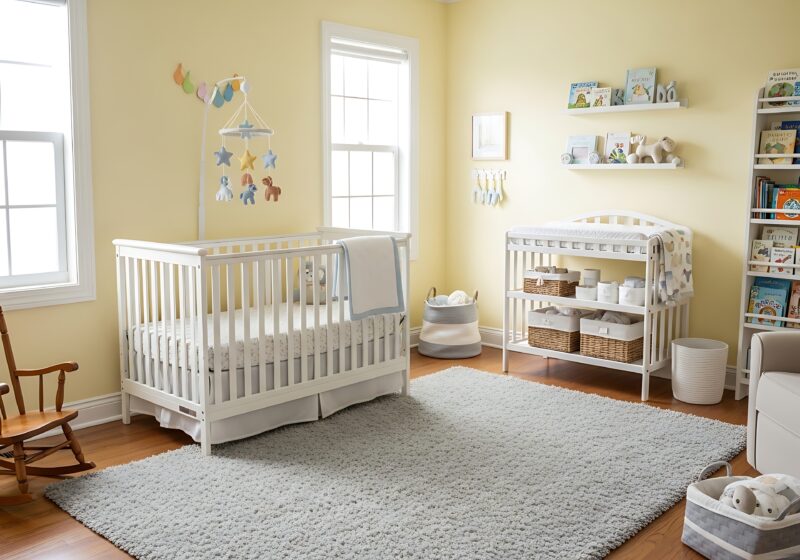
5. Pastels — Yellow, Pink, and Baby Blue
Source: Vecteezy
Best for: Nurseries, children’s rooms, bedrooms, and calming personal spaces
Pastels have long been associated with softness and comfort — and the psychological research supports the intuition. Soft, muted tones in the pink, lilac, and blue family are genuinely calming, evoking a sense of safety and gentle warmth that makes them ideal for spaces designed for rest and emotional comfort.
In 2026, pastels have expanded well beyond nurseries and children’s rooms. Dusty rose, muted lavender, and powder blue are now staples of sophisticated adult bedrooms and living spaces, often combined with each other for a layered, tonal palette, or set against warm white or natural wood for contrast. A hint of light grey added to the mix introduces just enough depth to prevent the overall effect from feeling too sweet.
Recommended Nippon Paint shades: Fresh Lilac (NP PB 2937 P) · Kryzo (NP R 2281 P) · Misty Morning (NP PB 2877 P)
Frequently asked: Can pastels work in adult bedrooms? Absolutely. Dusty rose, muted lavender, and powder blue are among the most popular bedroom colours in 2026 for adult spaces — particularly when paired with natural wood furniture and warm white accents, which keep the palette feeling sophisticated rather than childlike.
Frequently Asked Questions About Home Colour Schemes
What is the most popular home colour scheme in Singapore in 2026? Warm neutrals — soft whites, warm beiges, and natural earthy tones — remain the most popular overall. Within bolder palettes, sage green, terracotta, and dusty blue are consistently trending across Singapore HDB and condo renovations.
How do I choose a colour scheme for my home? Start with the mood you want each room to create. Cool colours (blues, greens, soft purples) promote calm and rest; warm colours (yellows, oranges, reds) energise and uplift; neutrals provide flexibility and timeless appeal. Use the Nippon Paint Colour Visualiser app to preview any shade in your actual room before committing.
How many colours should I use in a home colour scheme? A general rule of thumb is the 60-30-10 principle: 60% dominant colour (walls), 30% secondary colour (large furniture and soft furnishings), and 10% accent colour (cushions, artwork, decorative accessories). This creates a balanced, cohesive palette without becoming overwhelming.
What colours make a home feel more spacious? Light, cool tones — soft whites, pale blues, and light greens — reflect light and create the illusion of more space. Avoiding dark, heavily saturated colours on all four walls in smaller rooms will also help. Painting the ceiling the same colour as or lighter than the walls enhances the sense of height.
Ready to find your perfect palette? Explore Nippon Paint’s full range of over 2,300 colours at nipponpaint.com.sg/colours/find-your-colour/, or download the Nippon Paint Colour My World 2026 Catalogue for the latest colour trends and palette inspiration.
Should You Paint The House Or Hire Painters To Do It?